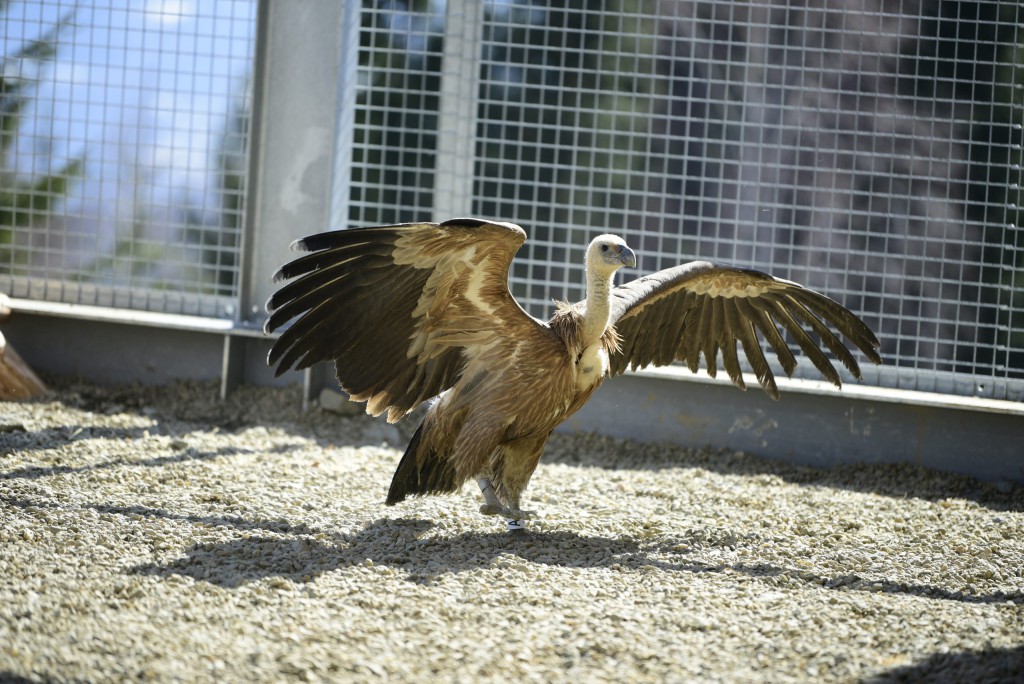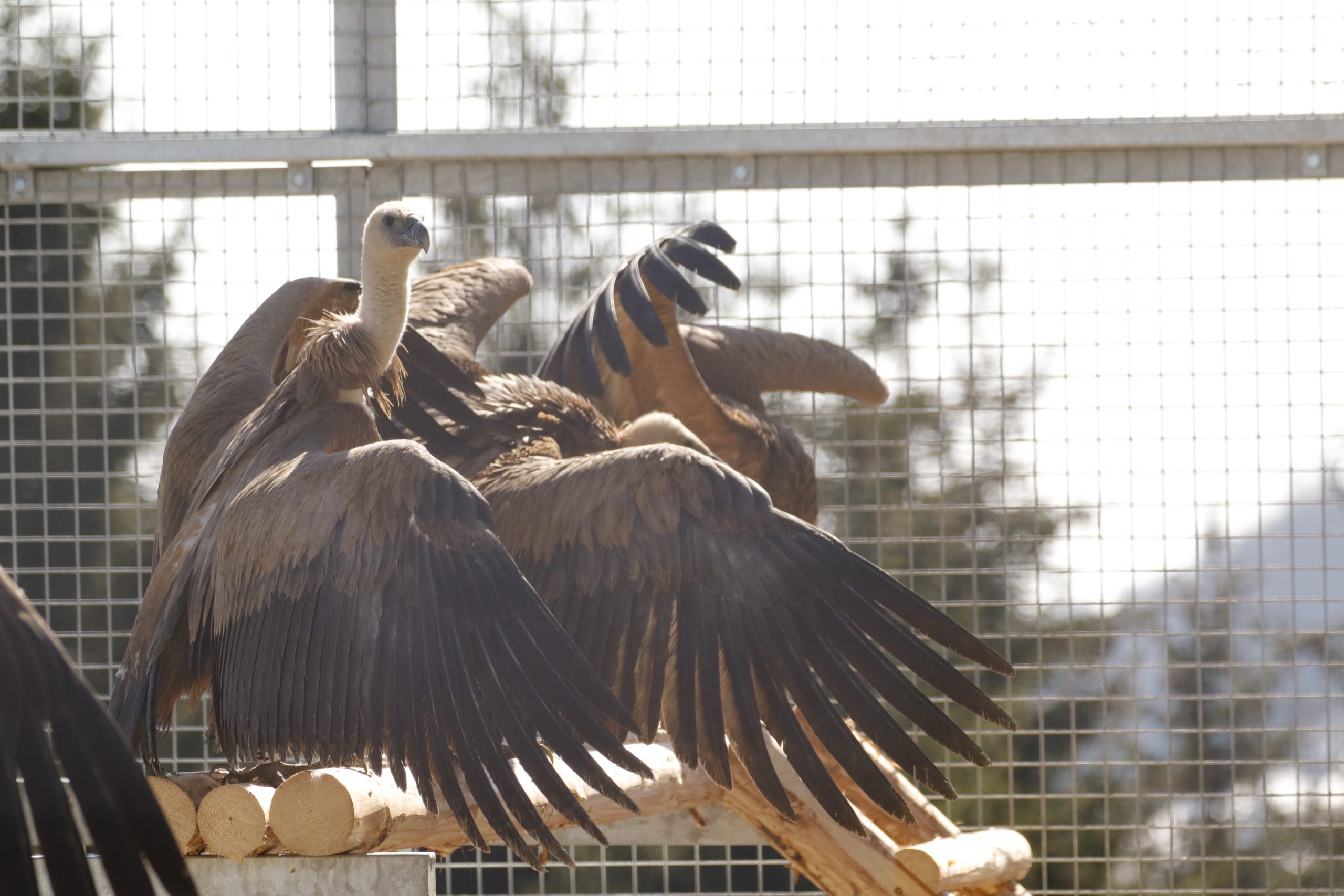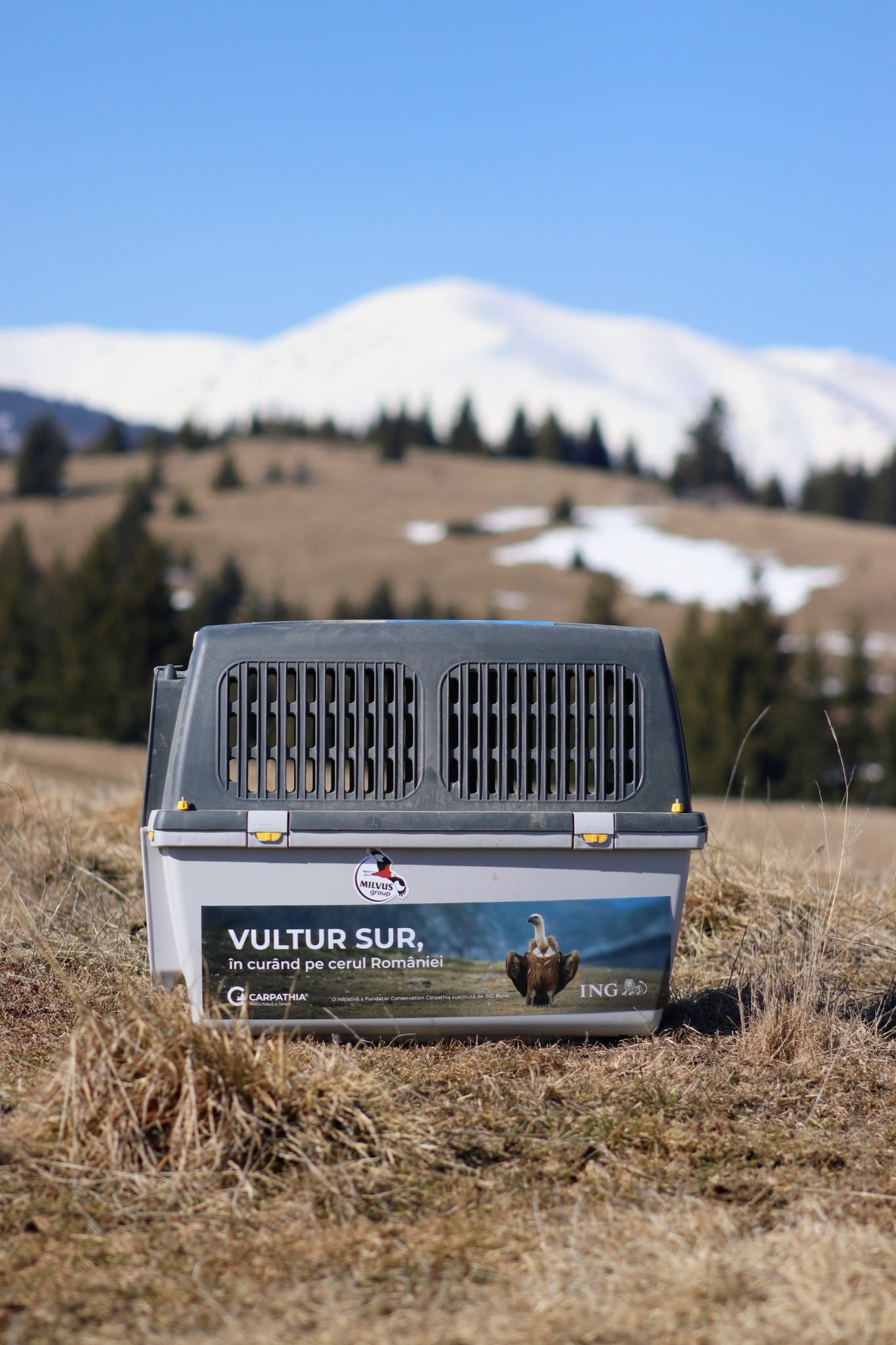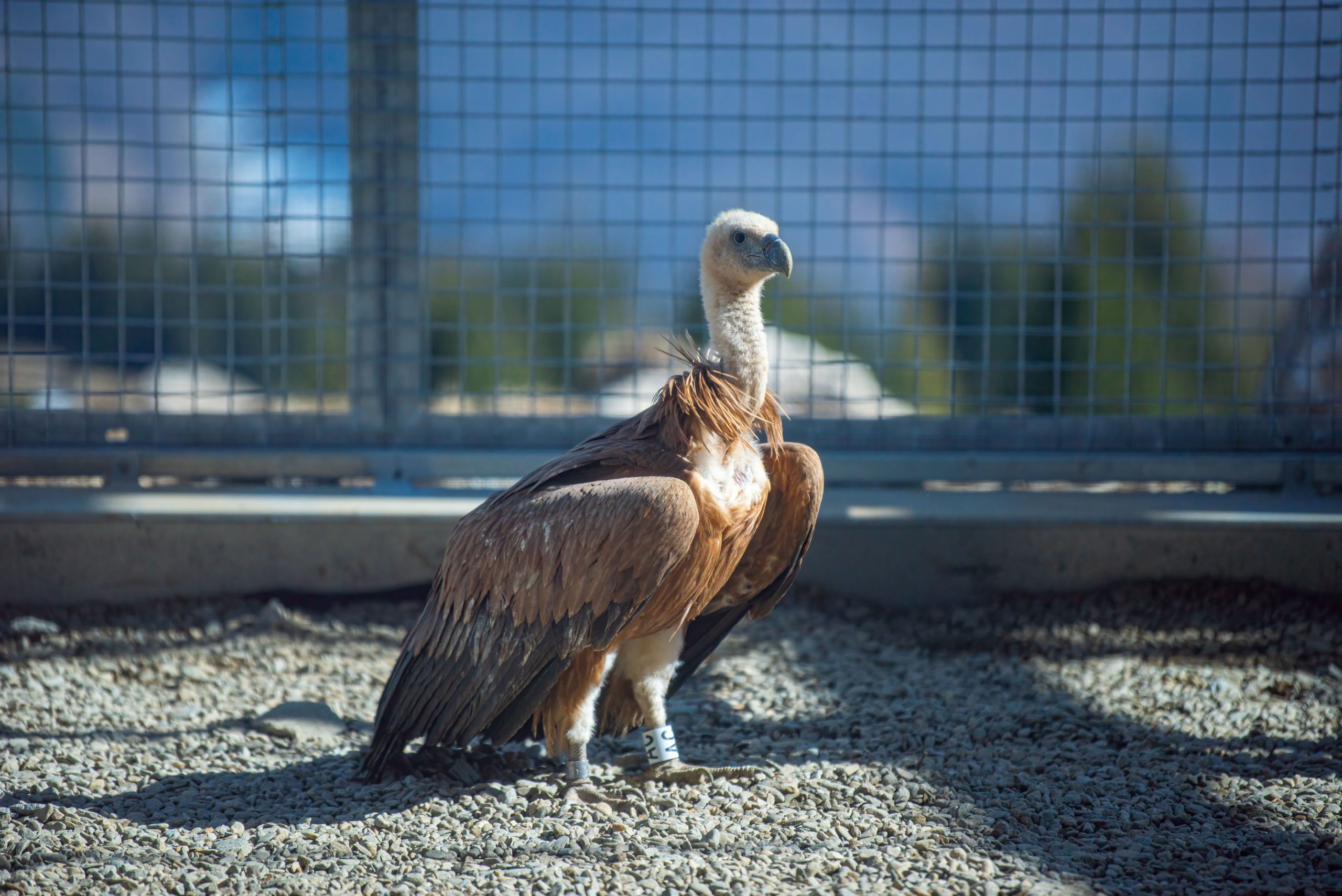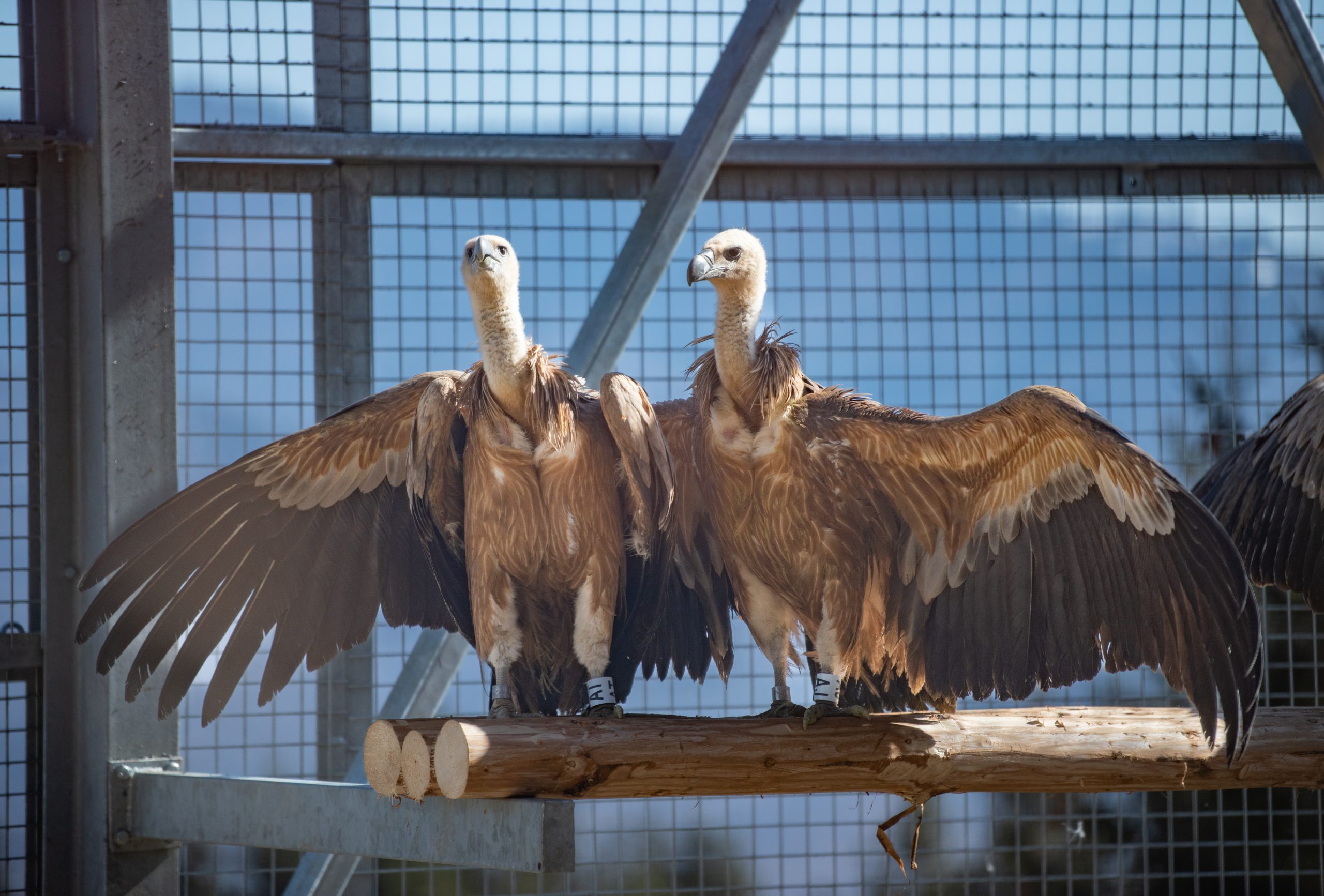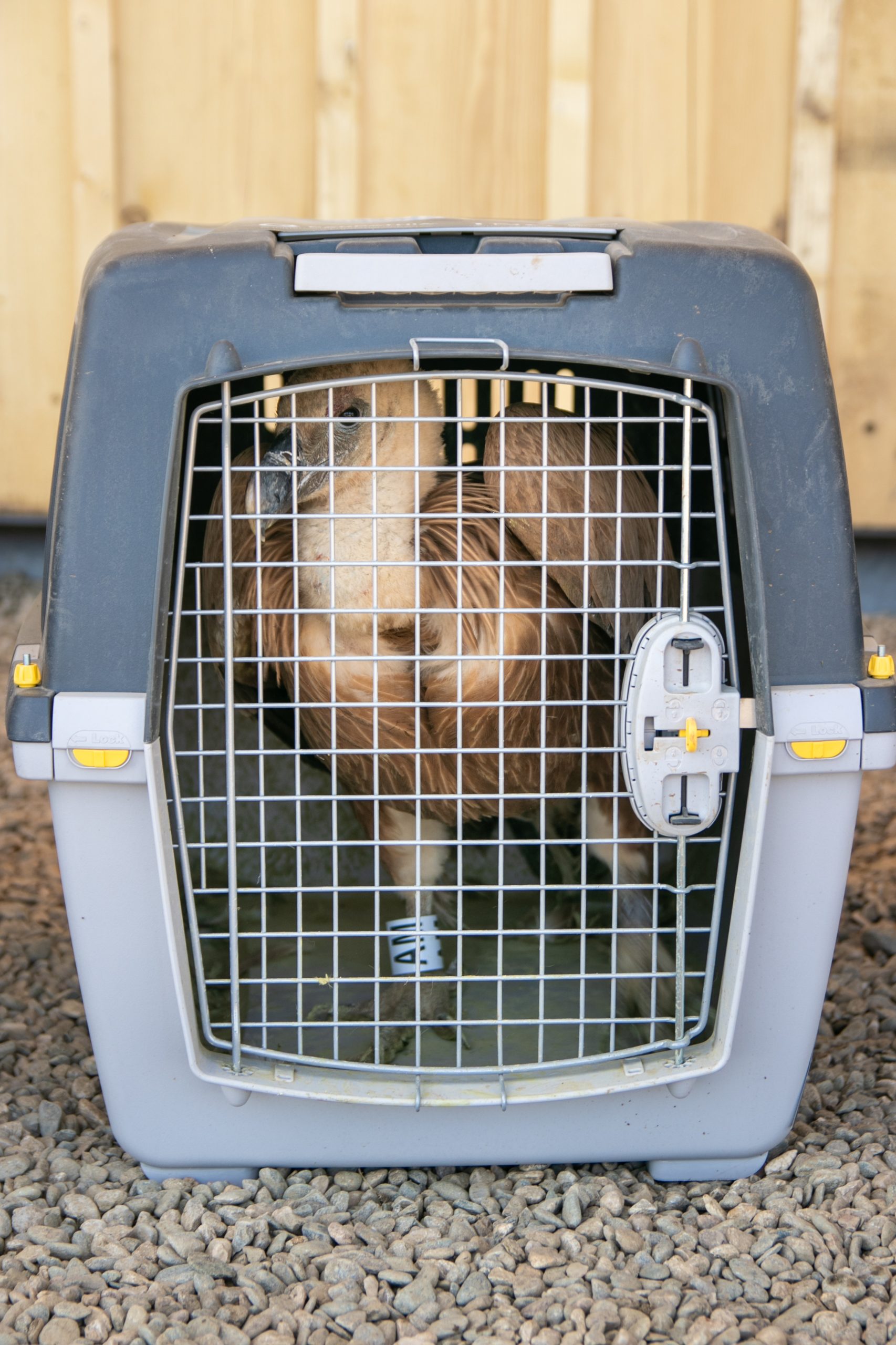

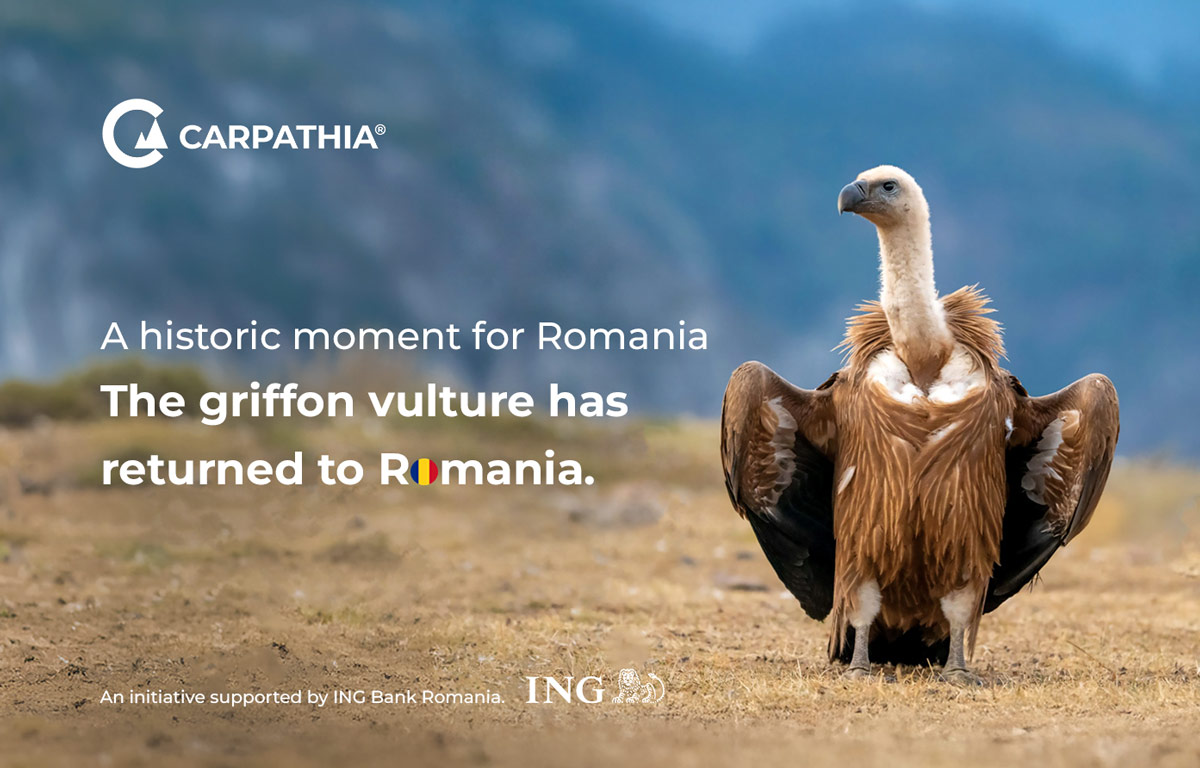
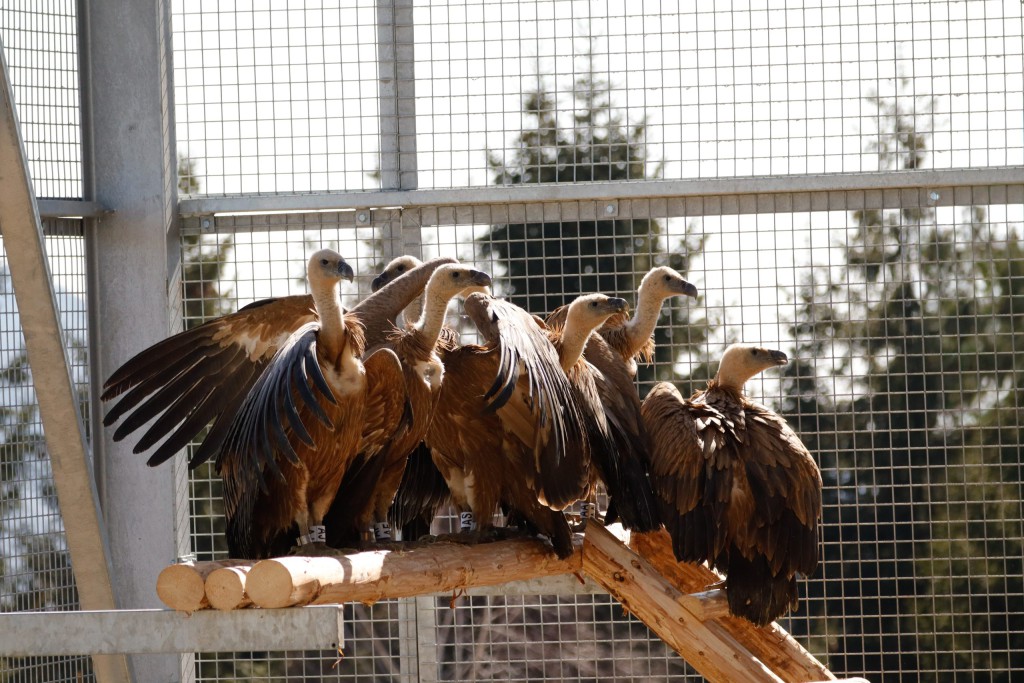
The first 25 griffon vultures (Gyps fulvus) have arrived in Romania and have been transferred to an acclimatisation aviary built near the commune of Rucăr, Argeș County. These birds represent the first individuals of a long-term reintroduction programme aimed at establishing a stable population in the Făgăraș Mountains. After more than 70 years of absence, the project marks the first initiative to reintroduce the griffon vulture to Romania and represents a historic moment for biodiversity conservation in the country. With the arrival of the birds, the implementation of the programme developed by Foundation Conservation Carpathia, in partnership with ING Bank Romania, has officially begun.
The initiative is carried out together with the Milvus Group Association and a local consortium formed by the communes of Lerești, Rucăr and Valea Mare Pravăț, in collaboration with the Argeș County Directorate for Veterinary and Food Safety. The vultures were brought from Spain through cooperation with the Vulture Conservation Foundation, one of Europe’s most experienced organisations in the conservation and reintroduction of vulture species. The birds transported to Romania are young individuals that will form the nucleus of the future population in the Făgăraș Mountains.
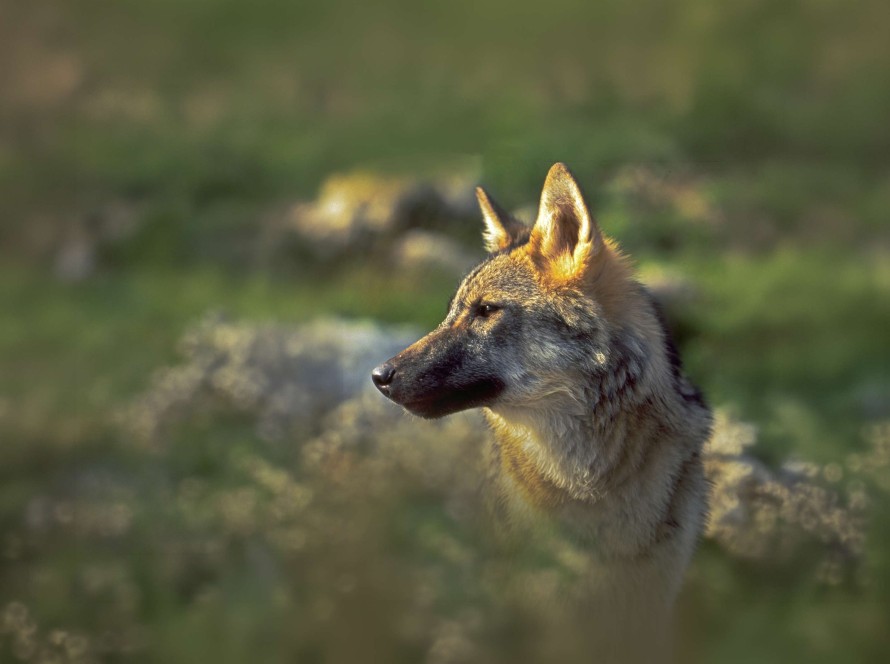
The species disappeared from Romania’s fauna in the mid-20th century, mainly due to the use of poisoned baits intended to control predators such as wolves and bears, with griffon vultures often becoming unintended victims. Direct persecution also contributed to the population’s decline, as the birds were hunted and shot based on the perception that they were harmful. Today, their return restores to nature an important ‘clean-up specialist’ – a species that rapidly removes carcasses and helps prevent the spread of disease – within a landscape gradually regaining its ecological balance. Through this initiative, Romania aligns with European efforts to strengthen vulture populations and restores a missing link in the country’s ecosystems.
“The return of the griffon vulture to Romania does not simply mean bringing back a species that disappeared more than 70 years ago” said Barbara and Christoph Promberger, Executive Directors of Foundation Conservation Carpathia, “it means restoring an essential ally for the health of nature. It is a concrete step in rebuilding a functional landscape in which nature and local communities coexist and support one another. This stage confirms that nature recovery becomes possible when strong partnerships and long-term commitment are in place.”
The project’s strategic partner also highlights the importance of this initiative for both nature and local communities.
“It has already been five years since we joined Conservation Carpathia’s efforts to protect biodiversity and the communities of the Făgăraș Mountains,” said Alexandra Maier Ranetti, Sustainability Manager at ING Bank Romania. “The griffon vulture reintroduction programme is particularly meaningful for us, as it aligns with what ING aims to achieve through its approach to nature. As a bank actively involved in the transition towards a green economy, until recently we focused our financing and efforts on the energy transition and the circular economy. The reintroduction of this species represents one of those social partnerships that complements the bank’s broader efforts. It allows nature the space it needs to regenerate and regain its rhythms, so that communities themselves have the opportunity to develop in a healthy and prosperous way.”
 The first days: medical checks and adaptation
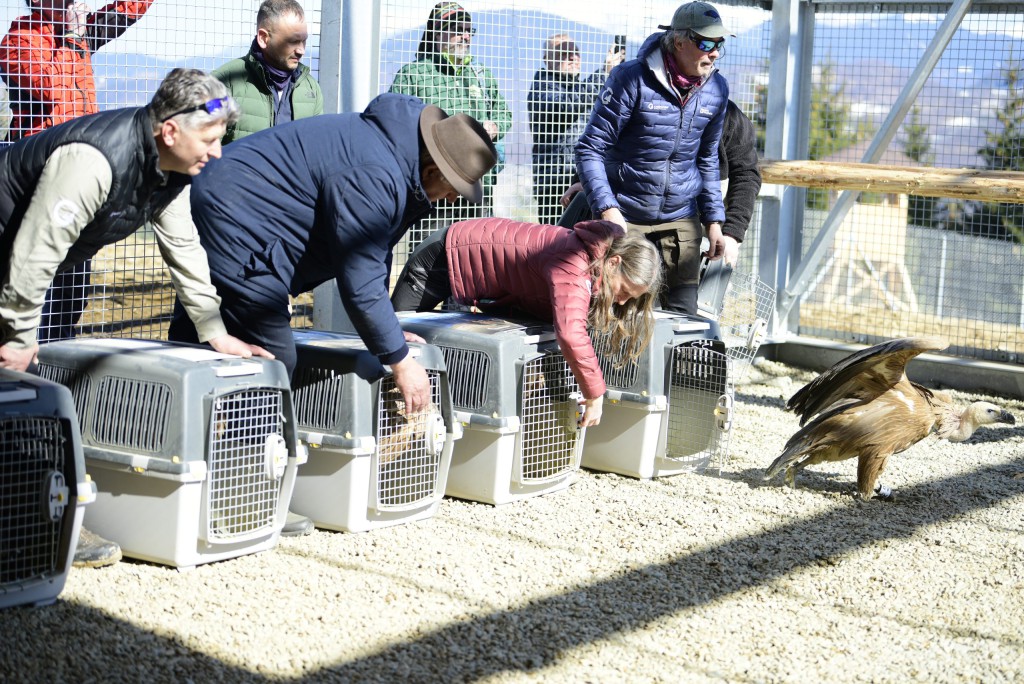
Immediately after transport, the birds were examined by specialised veterinarians to assess their health and confirm that the journey had not caused injuries. Each individual was fitted with an ornithological ring for future identification and then transferred to the acclimatisation aviary.
Over the next two weeks, the project team will closely monitor their adaptation to the new environment – a crucial stage for the success of the reintroduction.
The aviary – the first step towards freedom
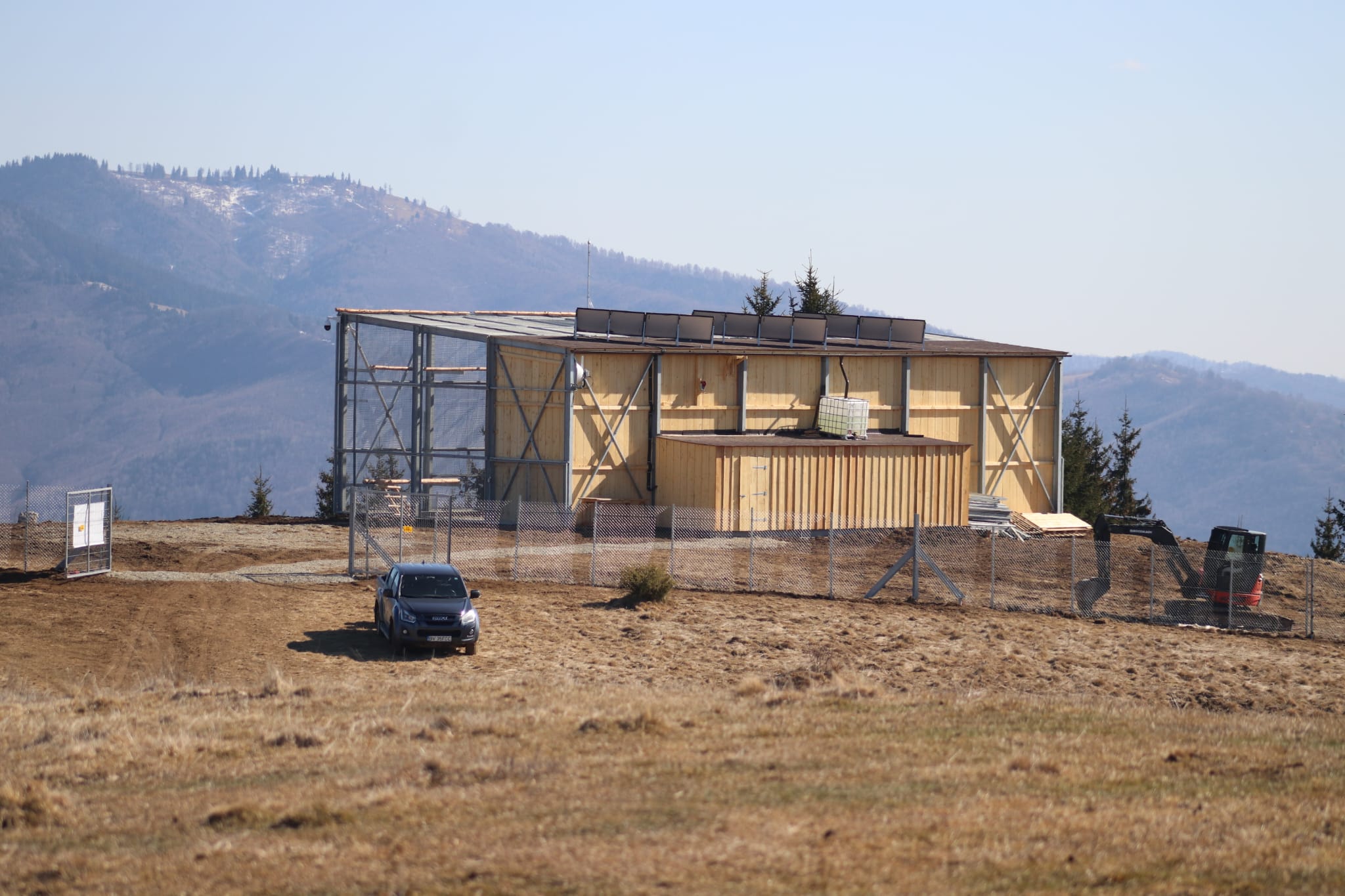
The aviary is located in a mountain area at approximately 1,150 metres altitude, near the commune of Rucăr, in an open setting with clear views of rocky cliffs that may become potential nesting sites in the future.
The structure covers around 160 square metres and is six metres high, built with a metal frame, wire mesh and a wooden shelter area to protect the birds from harsh weather. The entire construction is anchored by 44 foundation screws that ensure stability in mountainous conditions, and the area is monitored by video cameras.
The aviary creates a controlled, low-stress environment where vultures can become familiar with the habitat before being released into the wild. The acclimatisation period is estimated to last about six months, during which the team carefully observes how the birds adapt, feed in groups and compete for access to food.
After release, each individual will be monitored using transmitters to track movements and adaptation in the wild. Feeding takes place through specially designed openings without visual contact with people, to prevent the birds from associating human presence with food. Animal remains used as food originate from slaughterhouses and farms in the region, in accordance with veterinary regulations.
The project also includes an important component of collaboration with local communities. In this context, Foundation Conservation Carpathia is preparing to open a new visitor centre dedicated to vulture species – the ‘House of the Vulture’ – in the commune of Valea Mare Pravăț. It will complement the region’s network of nature interpretation centres, alongside the Beaver House in Rucăr and the Bison House in Lerești, contributing to the development of nature tourism, increasing the area’s attractiveness for visitors interested in wildlife and biodiversity, and creating opportunities for local communities.
 The griffon vulture: a vanished species with a key ecological role
Adult griffon vultures are distinguished by their white heads, broad wings and short tails. They have a white ruff of feathers at the base of the neck and a pale-yellow bill. Their plumage is light beige, while the flight feathers are darker – a contrast clearly visible when the bird is soaring.
The species can reach a weight of between six and 11 kilograms, a body length of 93–122 centimetres and a wingspan of 2.4–2.8 metres. The female lays a single egg per year, and both parents take part in raising the chick.
The griffon vulture is a scavenger species that feeds exclusively on dead animals. Through this role it helps rapidly remove carcasses from the environment and prevents the spread of disease.
The species inhabits wide and open landscapes, from plains to mountainous regions, and can be found from sea level up to altitudes of around 3,000 metres. It prefers cliffs and steep slopes for nesting and soars at great heights, using warm air currents to travel with minimal energy consumption.
Its presence indicates the existence of extensive habitats and a functional ecosystem. At present, individuals are only occasionally observed above the Carpathians or in the steppe regions of south-eastern Romania, with no stable populations in the country.
The skies of the Făgăraș Mountains are preparing to welcome once again a species that has been absent from Romania’s fauna for more than seven decades. Through this initiative, Foundation Conservation Carpathia and its partners take a concrete step towards restoring nature and strengthening a model of collaboration between communities, experts and the private sector.