

Conservation
We protect and restore the nature of the Făgăraș Mountains and are building a National Park that will ensure the nature here remains healthy and thriving for generations to come.
A commitment to nature conservation
We protect and restore the nature of the Făgăraș Mountains and are building a National Park that will ensure the nature here remains healthy and thriving for generations to come.

Forest and alpine meadow conservation
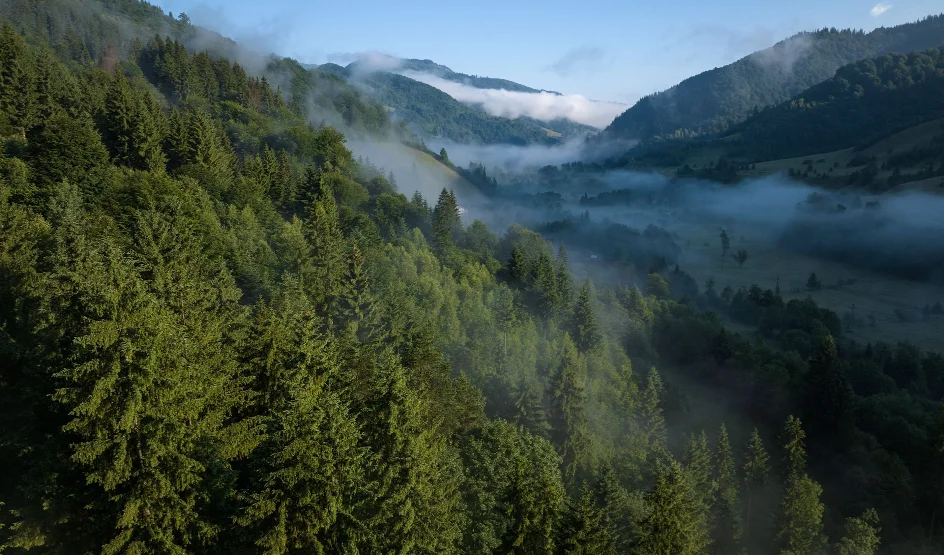
By acquiring forests for conservation or developing compensation mechanisms for land that is not for sale, we are laying the foundation for the future National Park and supplementing possible protection of state-owned forests. Where accepted by the state, we have included our protected forests as non-intervention areas in the Făgăraș Mountains Natura 2000 site Management Plan and as strictly protected areas of Piatra Craiului National Park. Almost 1,000 hectares of these forests have been included in the National Catalogue of Virgin and Quasi-Virgin Forests, ensuring their long-term protection.
Ecological reconstruction
We restore areas of forest and alpine pasture affected by logging and illegal land-use practices. Over the past decades, tens of thousands of hectares of forest have been lost as a result of abusive human activities.
• We have replanted about 5 million saplings across more than 1,300 hectares.
• We have restored more than 2,000 ha of degraded habitats.
• We have covered more than 50 km of tractor tracks and restored forest soil severely affected by erosion.
• We have introduced native tree species across more than 800 ha of artificial Norway spruce monocultures, initiating their conversion into natural mixed forests.
• We have restored natural alder and willow forests along 46 km of mountain riverbanks.
• We have begun a programme to remove invasive plant species from many valleys.
• We have restored native rhododendron, juniper and mountain pine shrubs across 100 ha of abandoned alpine pastures.
• We produce saplings for ecological restoration work in our own nurseries and greenhouses, creating jobs for the local community.
Ecosystem payments
Healthy forests filter water, store carbon, reduce flood risk and support biodiversity. The benefits that nature provides to us, known as ecosystem services, are essential to our lives: drinking water, clean air, food, protection from climate change and reduced flood risks.
Protecting and sustainably managing these services must be an essential pillar of sustainable development strategies.
Payments for ecosystem services are a mechanism through which these benefits can be recognised and financially supported, providing resources for long-term conservation and for the communities that contribute to protecting them.
Carpathia Forest Carbon Project
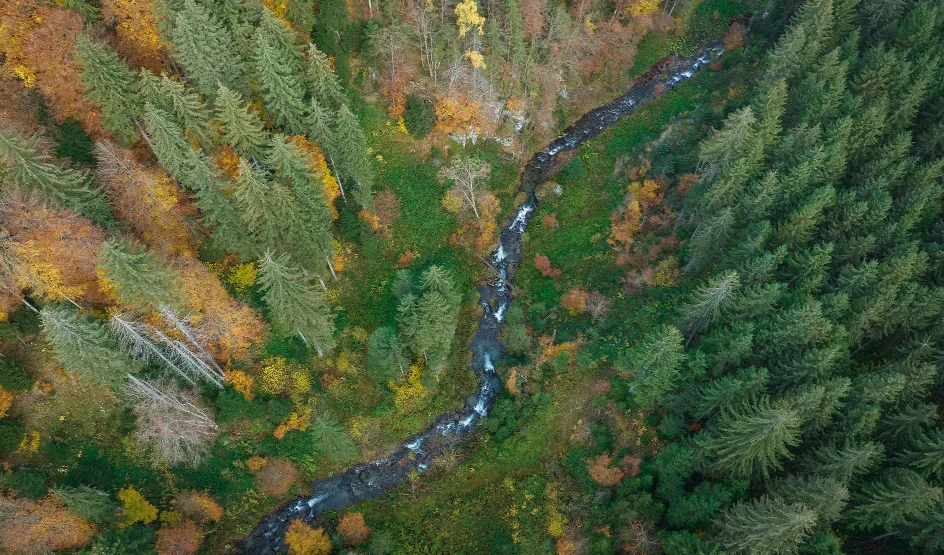
Carpathia Forest Carbon Project demonstrates that protected forests can generate real benefits for the climate, nature and communities. By transforming exploited forests into forests managed for conservation, the project contributes to reduce greenhouse gas emissions and creates an alternative source of funding for the long-term protection of forest ecosystems. Revenue generated through carbon credits is reinvested in forest conservation, ecosystem restoration and local community development, providing a concrete example of how nature can become a sustainable investment for the future.
• Project duration: 40 years
• Estimated total emissions reduction: 1,673,692 tCO₂e
• Gold Level certification
Wildlife conservation
Human–wildlife coexistence based on balance and respect
The Făgăraș Mountains are home to some of Europe's most valuable wildlife populations. Protecting emblematic species means preserving the natural balance that supports life throughout the Carpathian landscape. We also work to bring back species that disappeared from the Făgăraș Mountains, such as the European bison, the beaver (in the southern part of the massif) and vulture species. The management of human–wildlife conflicts within the hunting areas we administer is a model of good practice in Romania.
Species reintroduction
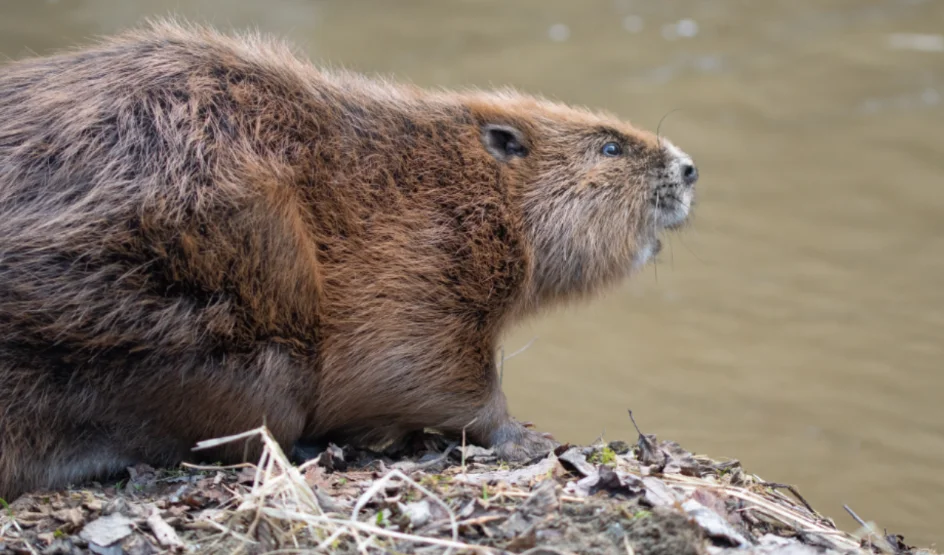
Foundation Conservation Carpathia is making sustained efforts to bring back to the Făgăraș Mountains emblematic species that have been absent for far too long: the European bison, the beaver in the southern part of the massif, the griffon vulture, followed shortly by the cinereous, the bearded, and the Egyptian vulture. These efforts form part of the broader vision of creating the Făgăraș Mountains National Park.
Reintroducing a species begins with an essential question: can this species still live here? The answer comes after detailed studies of food availability, habitat safety, connections with other natural areas and the risks of conflict with people. Once the conditions have been met, we select healthy specimens with genetic diversity, transport them to quarantine and acclimatisation areas, and then gradually release them into the wild, under the rigorous supervision of our ranger and biologist teams.


Today:
• More than 100 European bison are already living freely in the Făgăraș Mountains, and the arrival of new generations confirms that the species has adapted to its new habitat.
• 14 beaver families have been reintroduced to the southern part of the Făgăraș Mountains.
• Our goal is to reintroduce 125 griffon vultures until 2031, followed by another 50 cinereous, bearded, and Egyptian vultures until 2037.
The Făgăraș Mountains are home to remarkable biodiversity and represent one of Europe's most important refuges for wildlife. Forests, alpine pastures, rivers and rocky areas provide habitats for hundreds of species of mammals, birds, fish, reptiles and insects, which together form a complex and healthy ecosystem.
Creating a quiet zone, with no hunting
On a continent increasingly fragmented by human activities, infrastructure and noise, tranquillity is a scarce resource for wildlife. The most important conservation measure is to allow nature to follow its natural course. For this to happen, animals need space to live and fulfil their roles within the ecosystem. We established our own hunting association, where we implement a model of wildlife management to effectively protect fauna.
We are active across five hunting grounds and have created one of the largest wildlife quiet zones: 79,000 ha where trophy hunting is not permitted.
Reducing human–wildlife conflicts
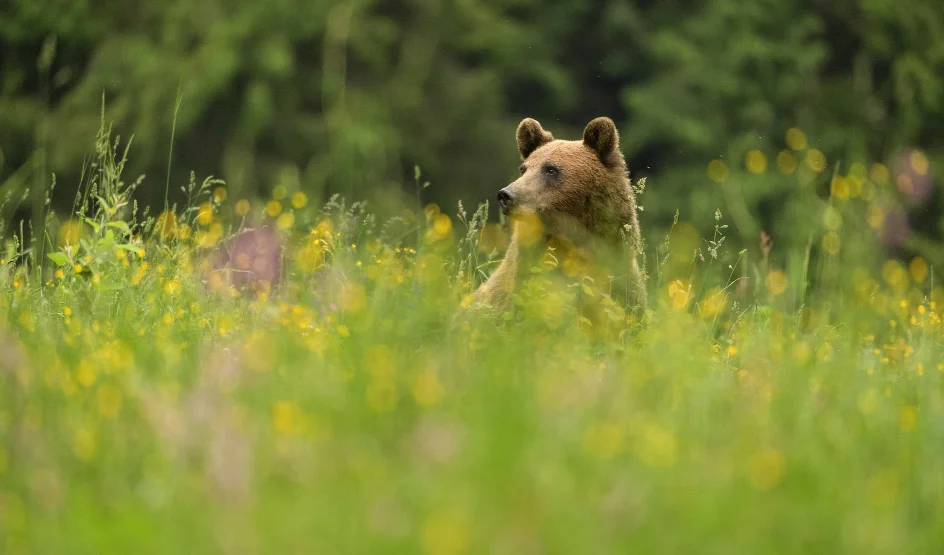
Coexistence between people and wildlife is the greatest challenge facing conservation.
Through prevention measures, rapid intervention, waste management and compensation programmes, we help create balance and reduce the causes of conflict.
• We have rapid response teams that are available 24/7. In the last 6 years, they were called over 750 times.
• We provide compensation in kind for sheep and cattle lost as a result of carnivore attacks, provided that appropriate preventive measures have been implemented. Since the summer of 2020, we have introduced this entirely new concept of private in-kind compensation for damage caused by carnivores: a local livestock farmer looks after a herd of cattle and sheep owned by Foundation Conservation Carpathia. These animals are used to immediately replace any livestock losses.
• Since 2023, we have operated a temporary animal-waste collection point in the commune of Rucăr, in the southern Făgăraș Mountains. Local people have begun bringing waste here that was previously abandoned in fields or at the edge of the forest. To date, we have collected and sent more than 120 tonnes of animal waste for incineration, significantly reducing sources of attraction for bears in the area.
• We provide Carpathian shepherd dogs and electric fences free of charge to livestock owners as preventive measures.
Prevention
We provide electric fencing for sheepfolds or gardens, relocate and monitor problem bears and have provided shepherds in the Făgăraș Mountains with Carpathian shepherd dogs from our own kennels to guard their livestock. The Carpathian shepherd dog is not only adapted to and capable of withstanding attacks by bears or wolves, but also has a docile temperament and does not pose a threat to people.
Intervention
When necessary, intervention teams attempt to drive away wild animals that are causing problems in communities. If animals become a threat to local residents, as a last resort bears are eliminated by our rangers.
Compensation
Domestic animals can fall victim to bear or wolf attacks. Damage caused by wildlife on local people's properties is assessed on site. The Foundation provides private compensation in kind by replacing lost cattle or sheep with animals raised by a local livestock farmer. Complementing the existing national system, these compensations are intended to provide immediate compensation for losses caused by wildlife.