

The Griffon vulture returns to Romania

The first griffon vultures to return to Romania are getting used to the Făgăraș Mountains once again. Watch footage from the acclimatization aviary here. We are broadcasting live Monday to Friday, from 11:00 AM to 4:00 PM.
A half-century absence
Vultures are a living presence in everyday language, so deeply rooted in our collective imagination that very few people realise all vulture species have disappeared from Romania’s fauna, and that the griffon vulture has not nested here for over 70 years. Today, perhaps only our great-grandparents had the chance to see them soaring in the sky. What is certain is that, after almost a century of absence, hardly anyone remembers what it looks like.
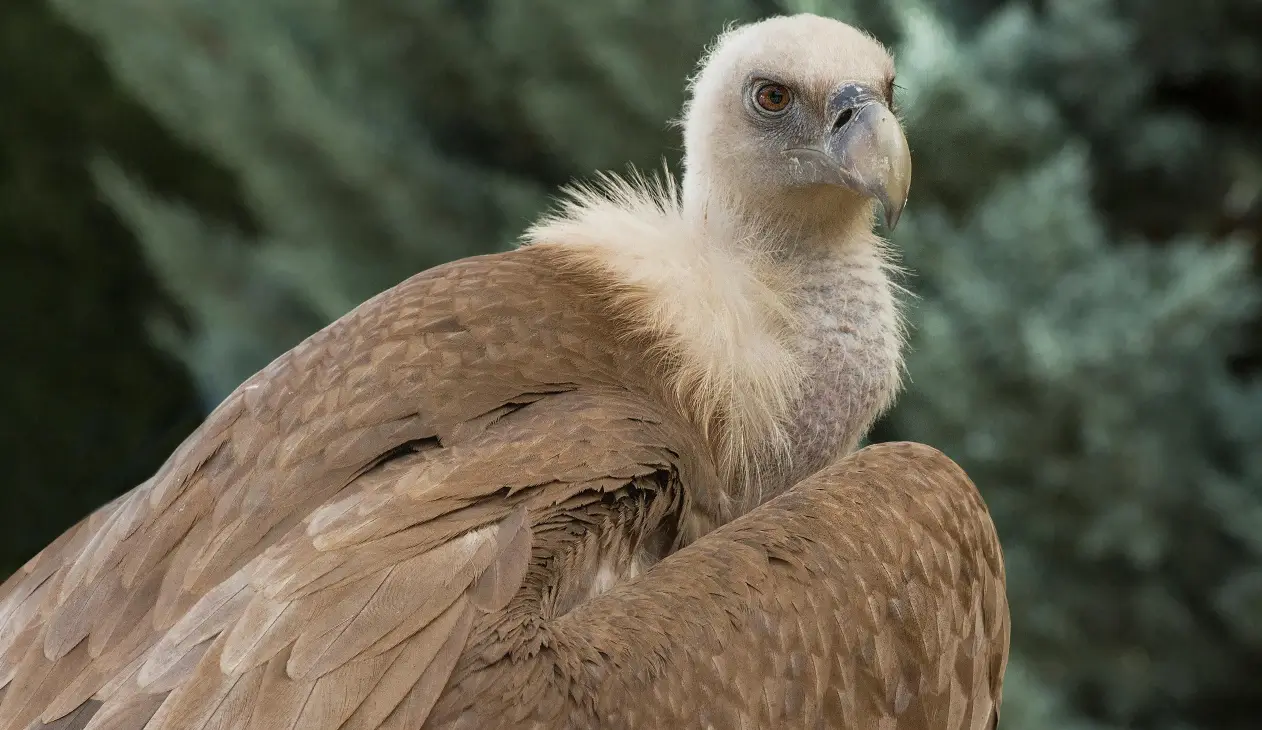
The griffon vulture is an imposing bird and essential to the health of ecosystems. It does not hunt living animals, whether wild or domestic. The vulture is a scavenger, meaning it feeds on carrion, thereby helping to maintain a healthy environment free from epidemics. For this reason, it is regarded as a true sanitary worker of nature. As few people now recognise it, it is often mistaken for an eagle, a hawk, or other birds of prey.
The vulture is a symbol of strength, courage and vigilance, present for centuries in literature, architecture and heraldry, its image suggests dignity, nobility and grandeur. In nature, this nobility translates into an essential role in maintaining ecological balance: as a scavenger species, the vulture clears the environment of animal carcasses, helping to reduce the risk of spreading disease. Its powerful talons and beak make it highly efficient in this task. Thus, the same strength and vigilance that inspire admiration in culture become vital tools for preserving the health of the habitats in which it lives.
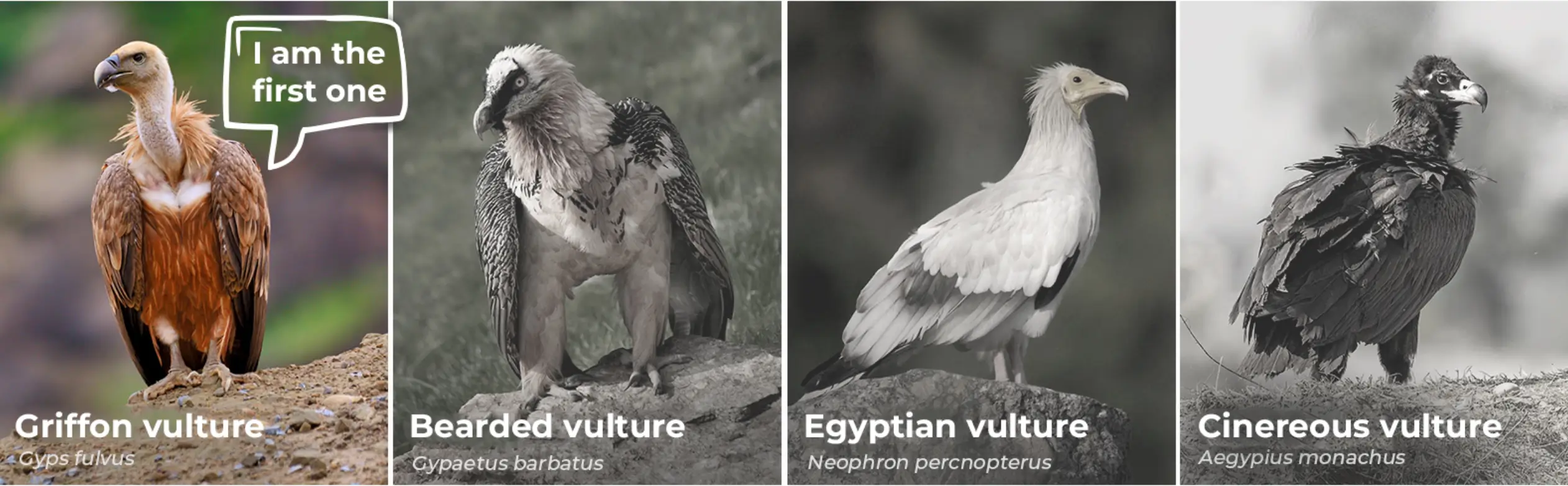
The griffon vulture is not the only species that once nested in Romania. In total, there were four species that once soared across the country’s skies:
● Griffon vulture (Gyps fulvus)
● Cinereous vulture (Aegypius monachus)
● Bearded vulture (Gypaetus barbatus)
● Egyptian vulture (Neophron percnopterus)
Among them, the griffon vulture is the first to return, through a project carried out by Foundation Conservation Carpathia and ING Bank, in partnership with Milvus Group and Argeș Veterinary Sanitary Directorate, with the support of a consortium formed by the communes of Rucăr, Valea Mare Pravăț and Lerești.
The return of an emblematic species
The project begins with the reintroduction of the griffon vulture to the Făgăraș Mountains. If the species adapts successfully, the initiative will continue with the reintroduction of the cinereous vulture and the bearded vulture.
The first griffon vultures are arriving from Spain and are being housed in a specially designed aviary located in a mountainous area overlooking cliffs, in the commune of Rucăr, Argeș County. They will also have access to a feeding station, which will be open to wild vultures passing through the area during their hundreds of kilometres long flights across Europe.
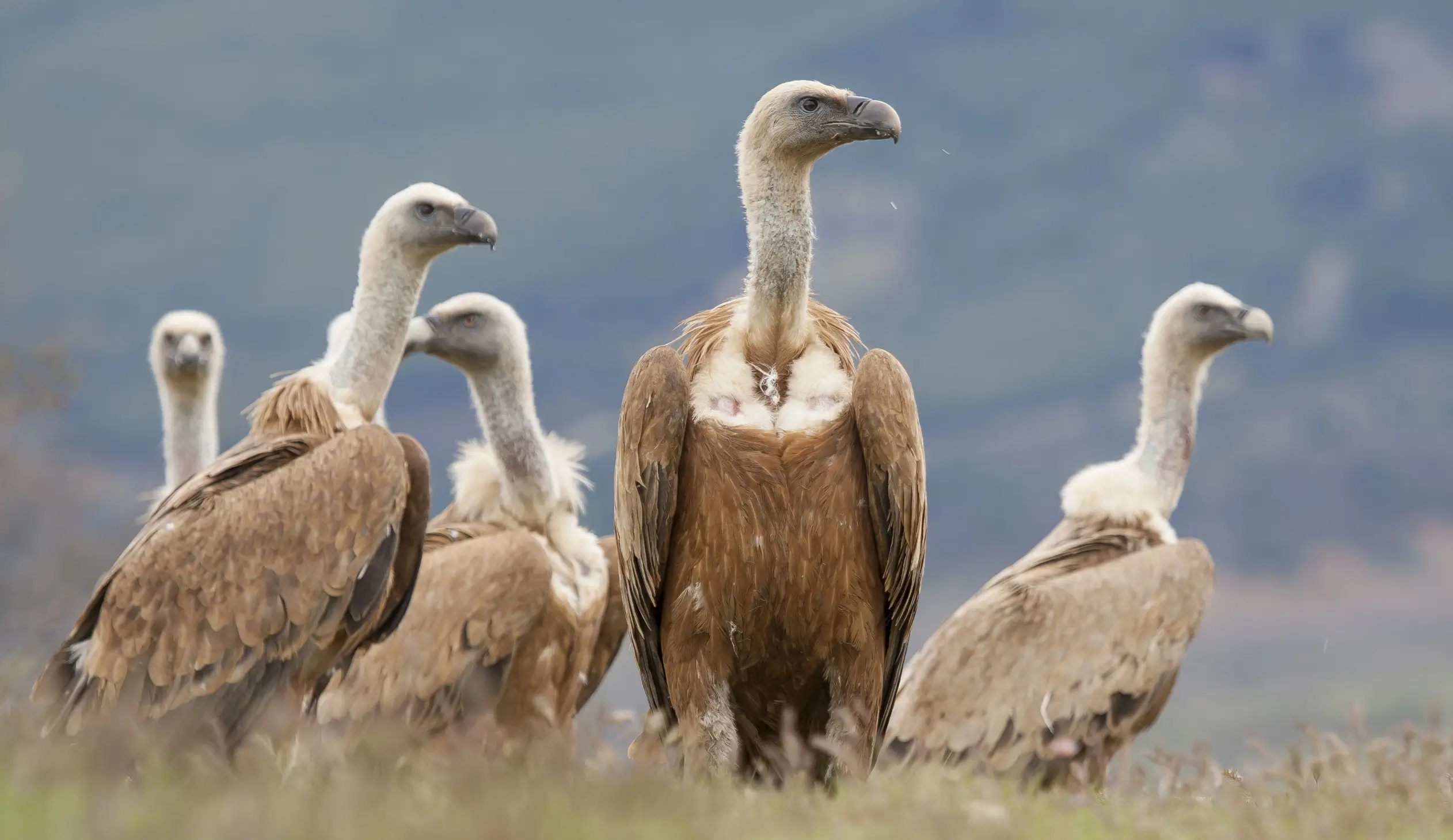
After a period of acclimatisation, the vultures will be gradually released into the wild, where they typically remain close to the release area and periodically return to the feeding site.
The reintroduction of the griffon vulture is made possible through extensive collaboration between local and international partners. In Romania, the initiative is carried out in partnership with Milvus Group, while at local level a consortium has been formed by the communes of Lerești, Rucăr and Valea Mare Pravăț, together with the Sanitary Veterinary and Food Safety Directorate of Argeș, all contributing to the smooth implementation of the programme.
The establishment of this consortium marks a first for Romania and reflects how nature conservation can become a driver of local development. The project brings direct benefits to the communities involved, from job creation and the development of nature-based tourism to strengthening the region’s profile as a natural destination of European significance.
Foundation Conservation Carpathia will also build a visitor centre dedicated to vulture species, ‘Vulture Visitor Centre’ in Valea Mare Pravăț, Argeș County. Alongside ‘Beaver Visitor Centre’ in Rucăr and ‘Bison Visitor Centre’ in Lerești, it has the potential to increase the number of tourists coming to the area to enjoy nature.
These visitor centres help promote the region as a landmark area for the biodiversity of the Făgăraș Mountains and as an example of harmony between local communities and nature.
Meet the Griffon vulture
When seen up close, adult griffon vultures are hard to mistake. They have a white head, broad wings and a short tail, and can also be recognised by the collar of white feathers at the base of the neck and their pale, yellow beak. Their plumage is generally light beige, while the flight feathers are darker, a contrast that becomes particularly striking when the bird is soaring, giving it an imposing presence in the sky.
Let’s get to know them better:
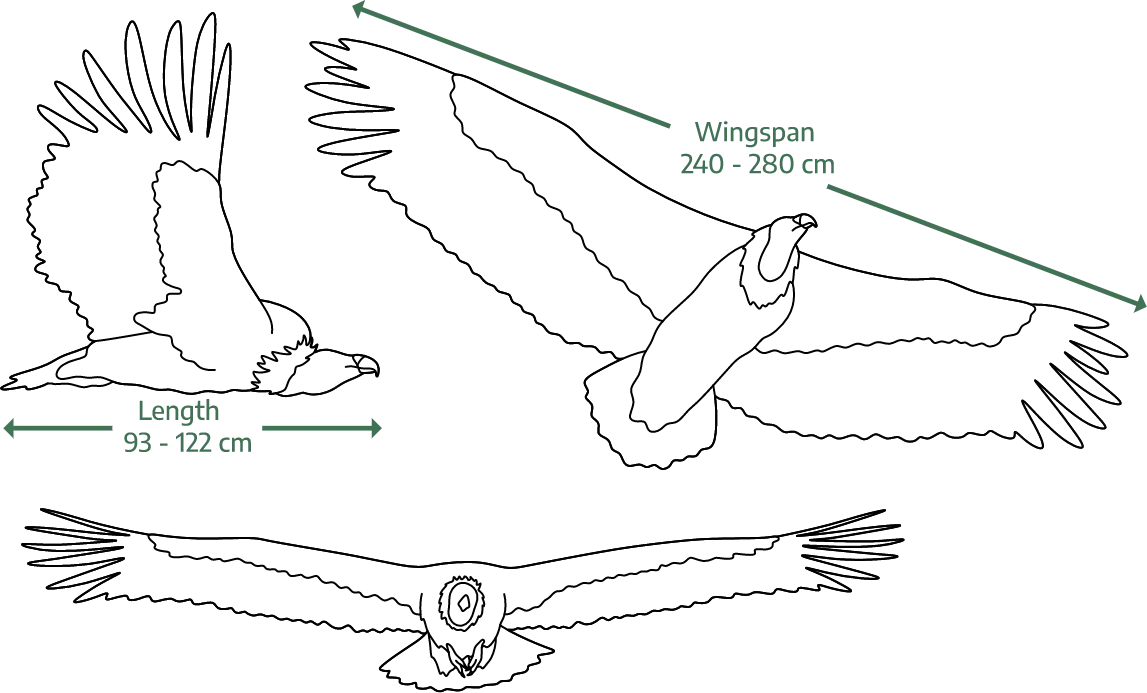
- Weight: between 6 and 11 kilograms
- Body length: 93–122 centimetres
- Wingspan: 2.4–2.8 metres
The female lays a single egg each year, and both parents care for the chick until it becomes independent.
This species inhabits vast, open areas, from plains to mountainous regions, and is often observed at altitudes ranging from sea level up to 3,000 metres. It prefers cliffs and steep slopes for nesting but spends most of its time soaring at great heights, using warm air currents to travel effortlessly. At present, griffon vultures can only be seen in Romania by chance, above the Carpathians or in the steppe regions of the country’s south-east.
They are social birds, forming groups and gathering around food sources or at roosting sites. They produce guttural or hissing sounds when in colonies or during feeding. Generally sedentary, some populations may be nomadic or migratory, depending on food availability.
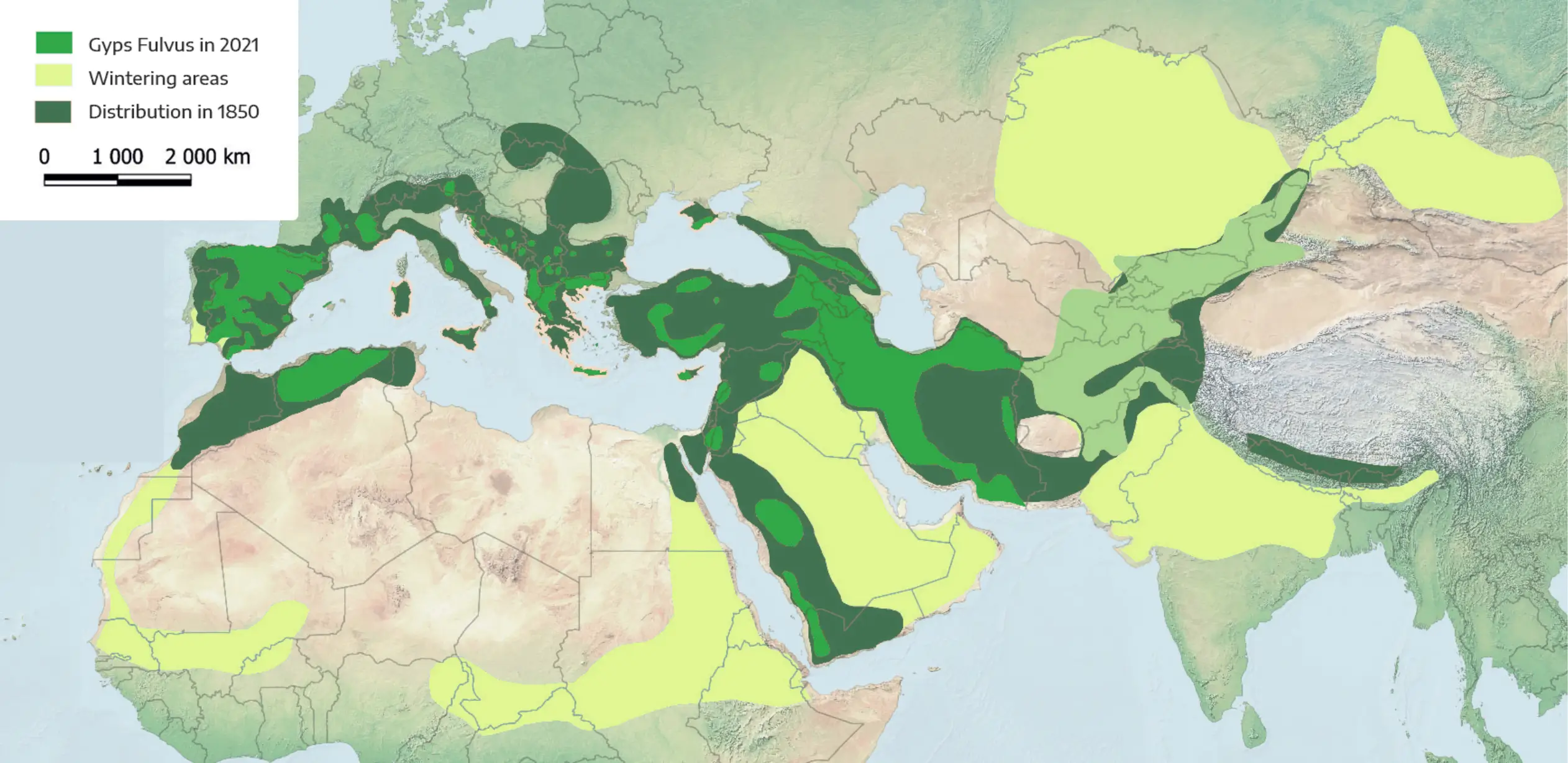
The species is widely distributed across southern Europe, North Africa, the Middle East and Western Asia, and can be found from the Iberian Peninsula to the Caucasus Mountains. Stable populations are present in Spain, France, Italy, Croatia, Greece, Serbia, Cyprus, Turkey, Israel and Morocco, where it nests in rocky areas and feeds in nearby open landscapes.
Although in everyday language Romanians use the generic term ‘vulture’ to refer to all large birds of prey, often confusing them with eagles, there are important differences between the two. Both are diurnal birds of prey belonging to the Accipitridae family; however, eagles hunt live prey, whereas vultures are scavengers, feeding exclusively on dead animals and generally reaching larger sizes.
Through the vulture reintroduction project in Romania, we aim to restore an important part of the natural balance of the Făgăraș Mountains and to offer a concrete example of collaboration between science, local communities and conservation. This is just one of the efforts we are making to protect the area as a future national park, the highest level of protection that priceless wilderness in the heart of the country can receive.
If you would like to support our vulture reintroduction project, you can make a donation. Thank you!