9. Species We Brought Back to the Făgăraș Mountains
MountainsThe Făgăraș Mountains are home to one of Europe's most valuable wild landscapes.
The Făgăraș Mountains are home to many key species
Here you will find some of the largest areas of natural forest on the continent, alongside important populations of brown bears, wolves and lynx. Forests, alpine pastures, rivers and rocky areas form a complex ecosystem in which hundreds of plant and animal species live together.
We protect this natural wealth and bring back species that have disappeared in order to restore ecosystems and the natural processes that represent the future Făgăraș Mountains National Park. Since 2020, we have reintroduced the European bison to the Făgăraș Mountains, brought the beaver back to the southern slopes of the massif and are restoring the population of griffon vultures, which disappeared from Romania more than 70 years ago. In the coming years, we aim to reintroduce the cinereous vulture, bearded vulture and Egyptian vulture.
Through our reintroduction projects for species that have disappeared, we aim to restore an important part of the natural balance of the Făgăraș Mountains and provide a concrete example of collaboration between science, local communities and conservation. This is just one of the efforts we are making to protect the area as a new national park – the highest form of conservation available for the priceless wilderness at the heart of the country.
The European bison, nature's architect
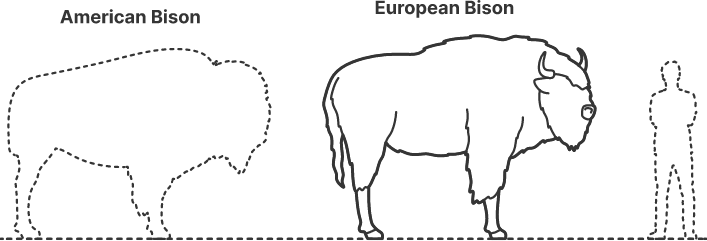
The European bison is the largest land mammal in Europe and one of the key species in natural ecosystems. Through grazing, movement and disturbing the soil, it shapes the landscape, contributes to forest regeneration, maintains a balanced network of grasslands and creates habitats for numerous other plant and animal species.
| Habitat: | Deciduous and mixed forests |
|---|---|
| Range: | Romania, Poland, Belarus, Russia, Lithuania, Latvia, Ukraine, Slovakia, Bulgaria, Germany and Switzerland |
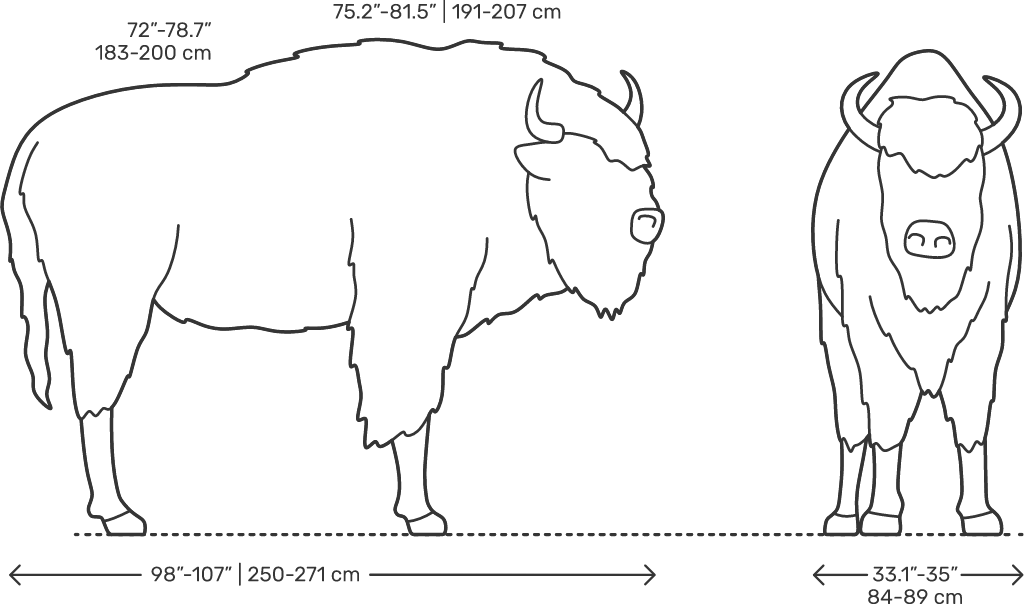
| Size: | 290 - 300 cm in length |
| Weight: | 300 - 920 kg |
| Diet: |
Herbivore; eats grass, bark, acorns, lichens, mosses, shrubs and low-growing vegetation. An adult can eat between 30 and 50 kg of food a day. |
| Lifespan: | 18 - 20 years |
| Way of life: | Gregarious animals, living in herds of around 20 individuals led by a female. Groups are made up of females, young males and calves. |
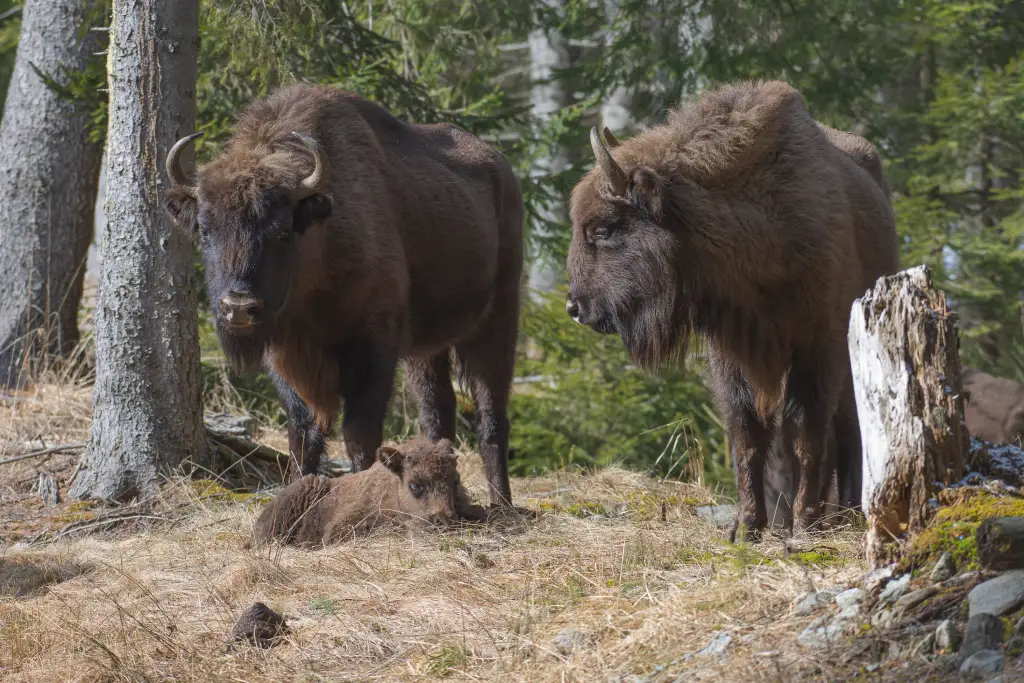
After almost two centuries of absence, the European bison returned to the Făgăraș Mountains through the reintroduction programme of Foundation Conservation Carpathia. Today, more than 100 European bison live in the wild, and the arrival of new generations confirms that the species has adapted and is reclaiming its place in nature.
The beaver, nature's engineer
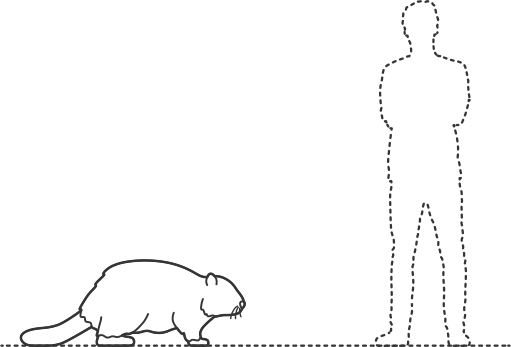
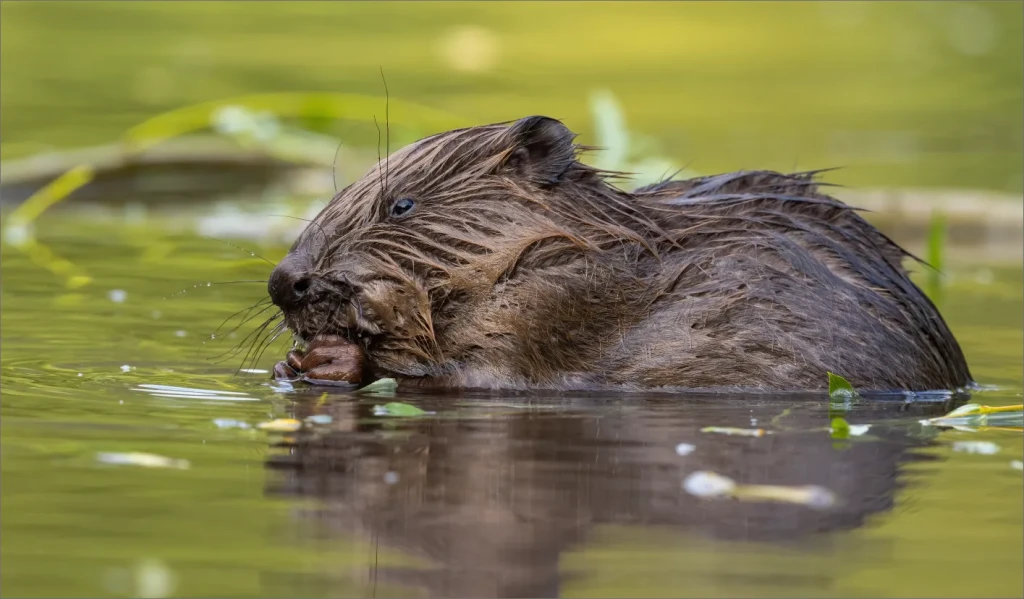
The beaver is one of nature's most skilled builders. Through the dams it constructs and the channels it digs, it slows the flow of water, creates wetlands and provides shelter for numerous plant and animal species. Its activity helps retain water in the landscape and increases natural richness.
| Habitat: | Rivers, lakes and channels, where it builds its lodge |
|---|---|
| Range: | Albania, Austria, Belarus, Belgium, Bosnia and Herzegovina, Bulgaria, Croatia, Czechia, Denmark, Estonia, Finland, France, Germany, Greece, Hungary, Italy, Latvia, Lithuania, Luxembourg, Moldova, Montenegro, the Netherlands, North Macedonia, Norway, Poland, Portugal, Romania, Russia, Serbia, Slovakia, Slovenia, Spain, Sweden, Switzerland, Turkey and the United Kingdom. |

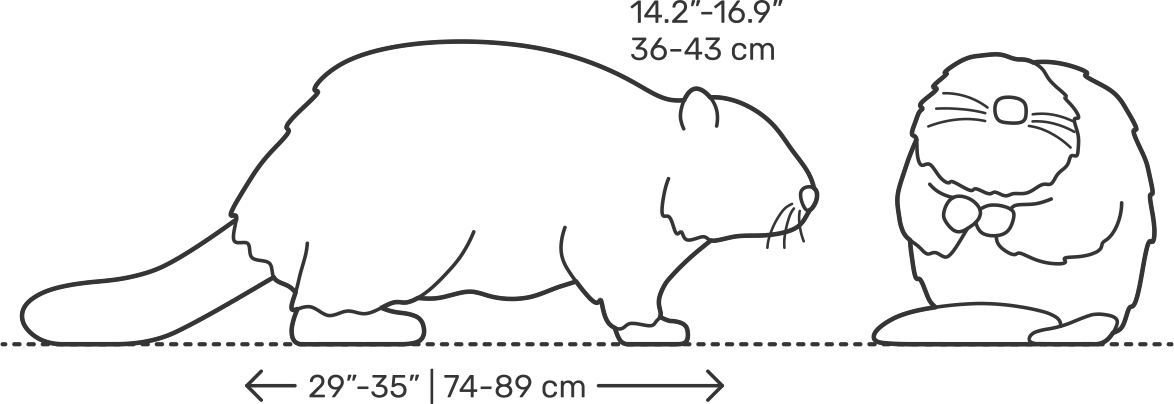
| Size: | 90 - 110 cm long |
| Weight: | 18 - 25 kg |
| Diet: | Herbivore; eats poplar, willow, hazel and grass. |
| Lifespan: | 7 - 8 years |
| Way of life: | Beavers are social animals and live in groups called colonies. A colony is made up of two to eight beavers, including a breeding pair and several kits. Several families may live near large dams. |
Having disappeared from Romania more than a century ago, the beaver gradually returned to the country, and Foundation Conservation Carpathia reintroduced it to the southern slopes of the Făgăraș Mountains. Today, this species once again contributes to restoring the natural processes of the rivers and streams in the area.
The griffon vulture, nature's sanitation worker
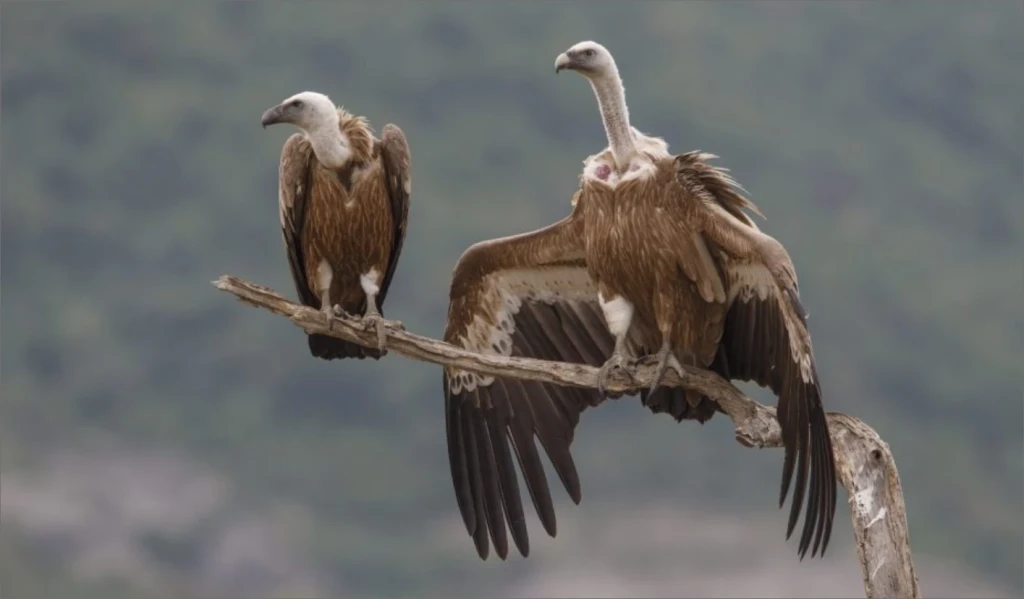
The griffon vulture is an impressive bird and one of the species essential to the health of nature. It does not hunt live animals, feeding exclusively on carcasses. Through this scavenging role, it contributes to the natural cleansing of the environment and reduces the risk of disease spreading, which is why it is considered a true sanitation worker of nature.
After more than 70 years of absence from Romania, the griffon vulture is returning to the Făgăraș Mountains through the reintroduction programme of the Foundation Conservation Carpathia. The reintroduction of this species represents an important step towards restoring a complete and functional ecosystem.
| Habitat: | Mountainous, rocky areas, hills and open plateaus, where it finds updraughts for flight and cliffs for nesting |
|---|---|
| Range: | Southern Europe (the Iberian Peninsula, the Balkans), North Africa, the Middle East and Asia. Being reintroduced in Romania (the first 25 birds were brought to the Făgăraș Mountains in March 2026, after an absence of more than 70 years) |
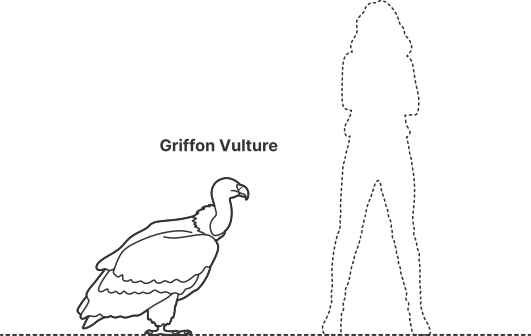
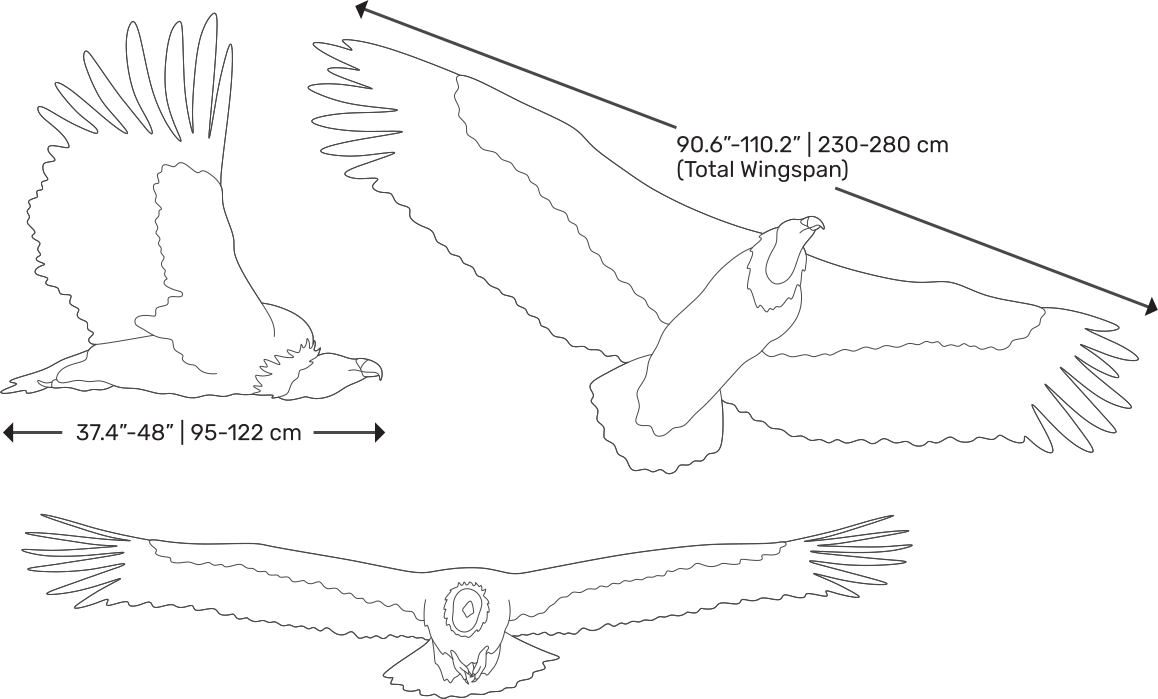
| Size: | Wingspan of 230–280 cm |
| Weight: | 6–11 kg |
| Diet: | Specialised scavenger – feeds mainly on the carcasses of mammals (both domestic, such as sheep and goats, and wild) |
| Lifespan: | 20–30 years |
| Way of life: | A gregarious bird that uses thermal currents for soaring flight. It gathers in groups to feed and can form nesting colonies on rocky cliffs |
The griffon vulture is the first of the four vulture species that once nested in Romania and which we aim to bring back to the Carpathians. The programme will continue with the cinereous vulture, bearded vulture and Egyptian vulture.
Of these, the griffon vulture is the first to return, through a project implemented by Foundation Conservation Carpathia and ING Bank, in partnership with the Milvus Group and the Argeș County Veterinary and Food Safety Directorate, with the support of a consortium formed by the communes of Rucăr, Valea Mare Pravăț and Lerești.
Help shape the future Făgăraș Mountains National Park
If you would like to contribute to our vision, we invite you to write to Ana-Maria Atonoaie, Partnerships Director, at a.atonoaie@carpathia.org.