

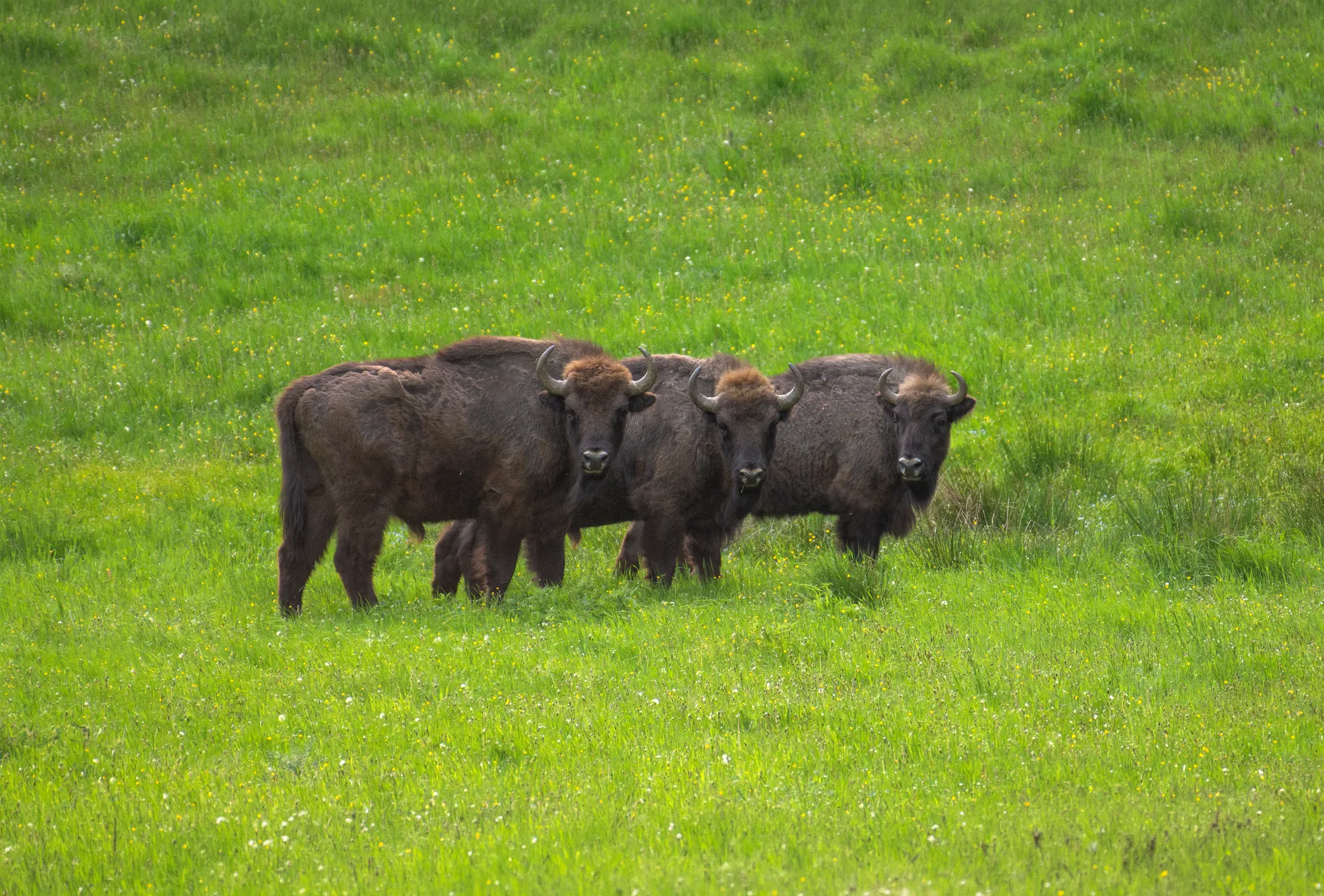
Strengthening the bison population
Bringing the European bison back to the Southern Carpathians
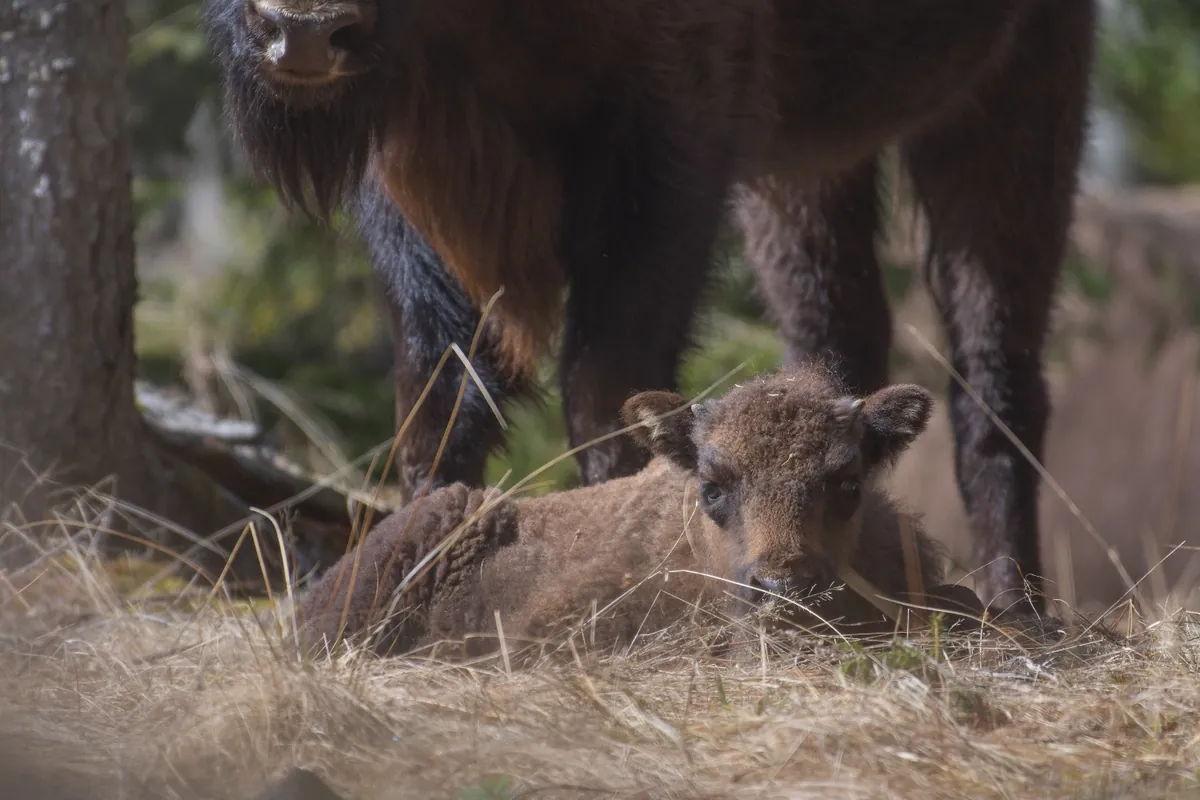
We have already reintroduced bison in the southern Făgăraș Mountains, helping this emblematic species return to the landscape of the Southern Carpathians. Through the LIFE REFAG project we continue this work and take a new step towards a stronger, more stable bison population in Romania. We aim to connect the existing populations, give them room to grow and help restore the natural ecosystems of the region.
A first step is setting up new release sites, such as the one at Bătrâna, to complement the existing areas. Each one needs building permits, environmental approvals and veterinary clearance, so that both the animals’ welfare and the law are respected. Special enclosures for quarantine and acclimatisation are built near every release site. To keep costs under control, the land is leased for short periods. Here, bison brought from other areas are given the time and conditions they need to adapt to the local environment before being released into the wild.
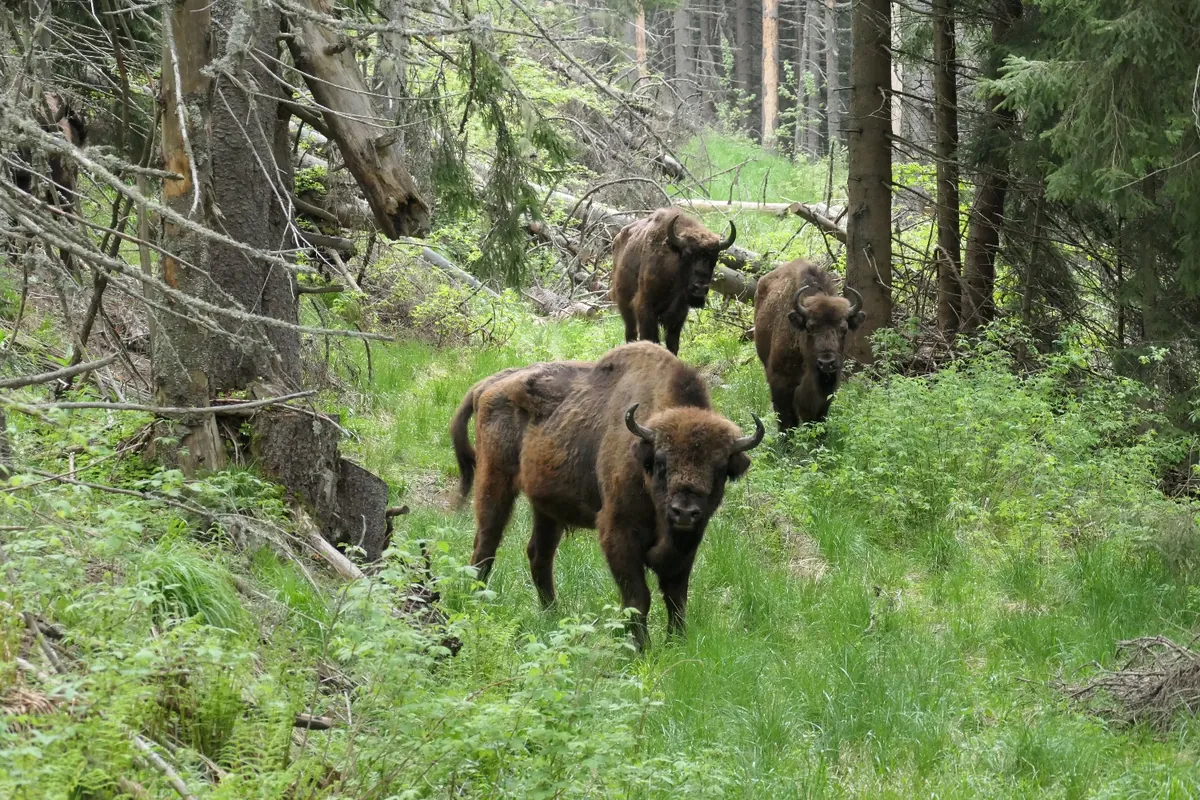
Connected habitats are essential for the future of bison populations
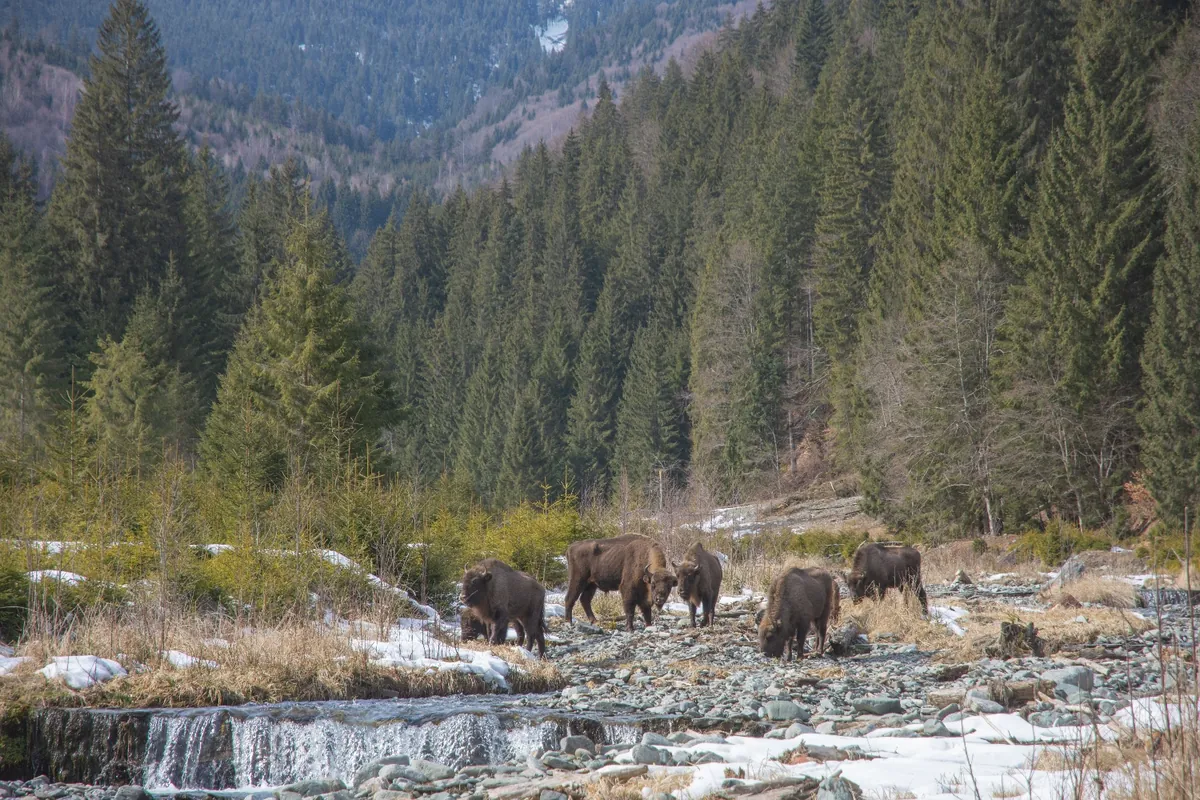
To move safely and to keep the genetic diversity of their populations, animals must be able to travel between different parts of the Carpathians. While the Jiu Valley is still wild enough for large mammals to pass, the Olt Valley is far more developed and acts as a barrier to wildlife. That is why the project plans for two wildlife overpasses, at Lazaret and Călinești, which will let bison and other animals cross the roads safely and move between the Făgăraș and Țarcu Mountains.
Preventing conflicts between people and wildlife is another priority
Bison coming close to farmland or households can cause difficulties for local farmers. That is why the project focuses on prevention and on supporting local communities. The measures include mapping risk areas, installing electric fences, providing free hay and maize to affected farmers, and a private in-kind compensation scheme for confirmed damage.
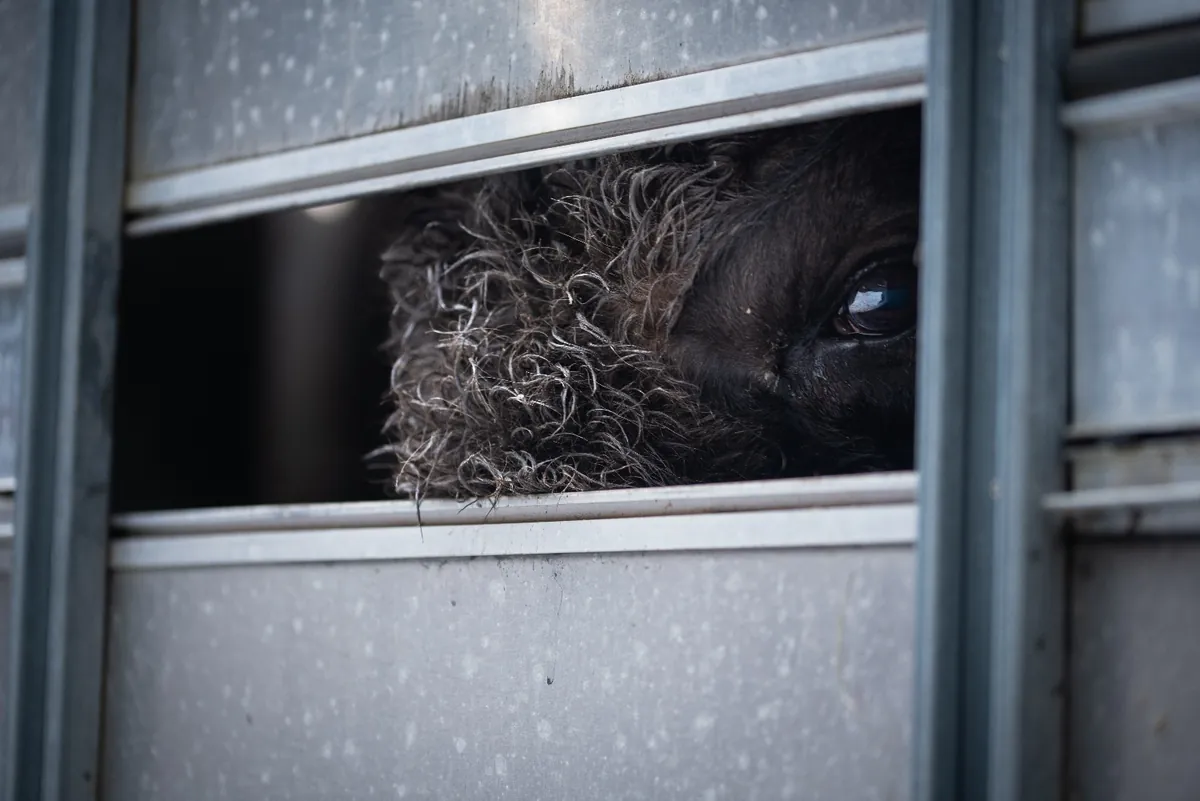
To avoid inbreeding and preserve genetic diversity, European bison are selected according to international studbook criteria. Every autumn, groups of about 20 animals are transported to the new release areas. On arrival, they go through a period of quarantine and acclimatisation in purpose-built enclosures. They are released into the wild in spring, once this stage is complete.
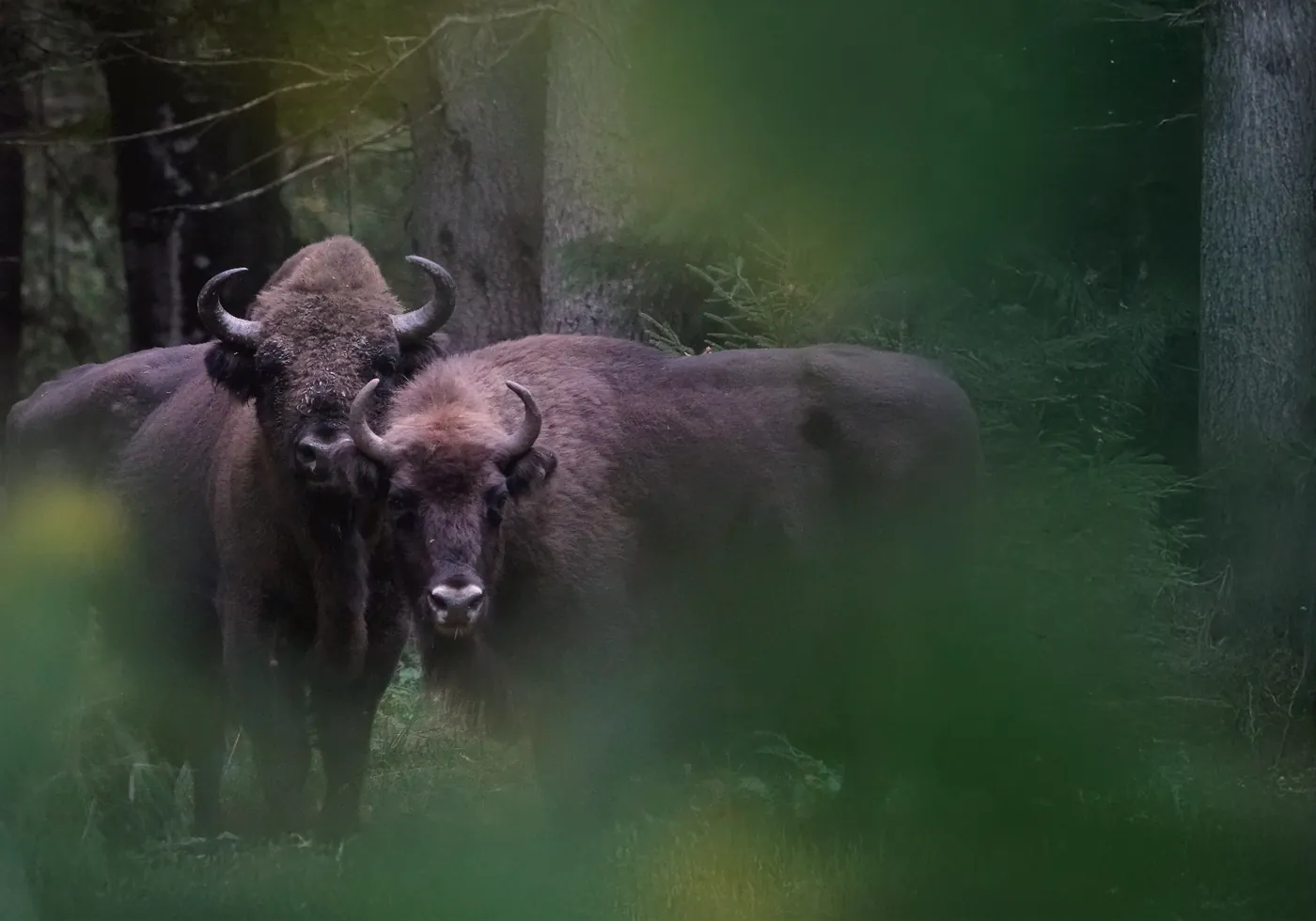
Monitoring continues after release
The bison are followed with GPS collars, camera traps and regular field visits. Specialised technicians and local partners observe the animals’ movements, herd dynamics and health. All of this helps us understand how they adapt to their new habitat and manage the populations in the long term.
The project also includes a clear strategy for unforeseen situations, such as disease outbreaks or a lack of acceptance from local communities. It sets out the measures that can be taken if difficulties arise that threaten the continuation of the reintroduction. Through scientific monitoring, planning for habitat connectivity, the involvement of local communities and concrete conflict-prevention measures, the project aims to ensure that the return of the European bison brings long-term benefits both to biodiversity and to the people who live in this region.
Expected results
The successful release and acclimatisation of 80 bison; conflict-prevention measures in place; continuous monitoring of the bison, including after release; a clear strategy for unforeseen situations.
Partners







News
The first LIFE REFAG news will appear here soon. Meanwhile, you can find all our news on carpathia.org.